

Bituminous concrete pavement is the most common flexible pavement used on highways and city roads. It gives a smooth, black riding surface with excellent skid resistance. When the layers, mix design, and construction steps are correct, the road can perform well for many years. This guide explains layers, mix design, construction, failures, and maintenance in simple, exam‑friendly language.
They refer to road surfacing constructed from asphalt concrete mixtures of liquid asphalt binder and graded mineral aggregates.
These composite pavements provide durable, weather-resistant infrastructure surfacing able to withstand heavy traffic loads across transportation networks.
Commonly called flexible pavement, bituminous concrete derives viscoelastic properties from the thermoplastic petroleum-based asphalt cement that binds the mixture’s components together.
Careful structural design ensures long-lasting performance.
What Is Bituminous Concrete Pavement?
Bituminous concrete pavement is a type of flexible pavement. It uses a dense graded bituminous concrete layer as the top surface course. Below that, different layers share and spread the wheel load to the subgrade. Each layer has a specific function and typical thickness range.
Flexible Pavement Layers (Typical Cross‑Section)
- Bituminous concrete wearing course—30–50 mm thick, dense graded mix, provides skid resistance and riding comfort.
- Binder course—50–80 mm thick, distributes wheel loads to the base, made of bituminous macadam or a similar mix.
- Base course—150–250 mm thick, granular or bituminous base, carries structural load.
- Sub‑base course—150–250 mm thick, improves drainage, and protects the subgrade.
- Subgrade—compacted natural soil, acts as a foundation for the flexible pavement layers.
In high-traffic roads, the dense-graded bituminous concrete surface is usually placed over a bituminous binder course, with granular base and sub-base layers below.
Dense Graded Bituminous Concrete Mix Design
Dense-graded bituminous concrete is used as the top wearing course. It has a well‑graded aggregate structure, adequate binder, low air voids, and good stability. The Marshall mix design of bituminous concrete is widely used for proportioning the mix.
Typical Mix Design Parameters
- The nominal maximum aggregate size for the wearing course is 13.2 mm.
- Layer thickness: 30–40 mm compacted.
- Bitumen content: usually 5.0–6.0 percent by weight of total mix.
- Air voids in mix: around 3–5 percent.
- Marshall stability: satisfies minimum requirement as per relevant specification.
- Flow value: within a specified range to ensure adequate flexibility.
The Marshall mix design of bituminous concrete selects an optimum binder content by checking stability, flow, voids in total mix, and voids filled with bitumen. This gives a durable bituminous concrete wearing course for highways and urban roads.
Steps in Laying Bituminous Concrete Pavement
Construction quality has a direct impact on pavement life. The following steps summarize the usual procedure on site.
- Surface preparation—Clean the base or binder course. Remove dust, loose material, and standing water. Repair potholes and cracks before paving.
- Apply tack coat—Spray a thin bituminous emulsion tack coat on the existing surface. This improves the bond between layers.
- Produce hot mix—Prepare the dense graded bituminous concrete mix in a hot mix plant. Maintain specified temperature limits for aggregates and binder.
- Transport mix—Carry the hot mix to the site in insulated tippers. Cover loads with tarpaulin to avoid heat loss and contamination.
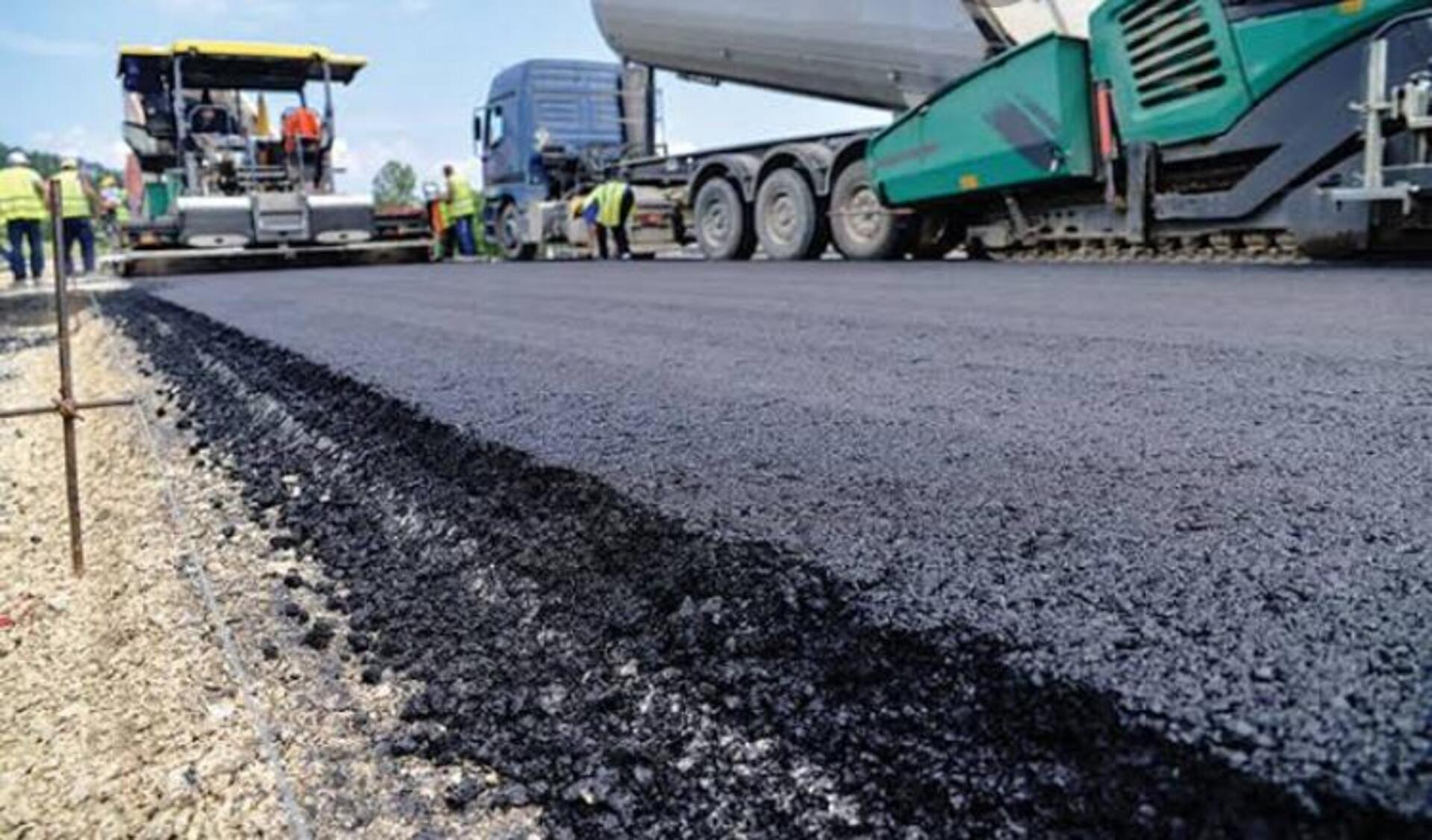
- Laying by paver—Spread the mix using a mechanical paver to the required thickness and cross fall. Avoid segregation and cold joints.
- Compaction—Compact with tandem roller, pneumatic-tired roller, and finish roller. Achieve the specified field density and surface finish.
- Joint construction—Form longitudinal and transverse joints carefully. Trim cold edges and apply tack coat before placing fresh mix.
- Quality control tests—Check mix temperature, binder content, gradation, core density, and surface evenness during construction.
Following these steps reduces early bituminous pavement failures such as raveling, bleeding, and premature rutting.
Bituminous Concrete Pavement Thickness
Pavement thickness correlates to stiffness, which distributes vehicle stresses to subgrade soils. Bituminous concrete thicknesses typically range between:
- Low-traffic driveways and parking lots – 2 to 3 inches
- City roads—3 to 7 inches
- State highways—7+ inches
Within each layer, larger aggregates are concentrated toward the top to withstand rutting, while the smaller aggregates below aim to prevent cracking.
Bituminous Concrete Pavement Repair
Bituminous pavement distresses like cracking, distortion, disintegration, and chemical deterioration disrupt functionality. Repair tactics include:
Crack Treatment—Seal minor cracks to prevent moisture from entering and worsening deterioration. High-stress environments may warrant full-depth patches.
Resurfacing—Layering over severely distressed, high-friction wearing surfaces with new bituminous concrete overlay materials to restore proper riding qualities.
Pothole Filling—Remove broken material until reaching sound structure before patching the cavity by rolling in fresh hot mix and compacting thoroughly.
Bituminous Concrete Pavement vs Asphalt
While asphalt is often used as an informal term for bituminous mixtures used to pave road surfaces, they represent different concepts in road construction.
Bituminous concrete more accurately describes the precisely graded mixture of aggregates and binder used for durability, while asphalt refers specifically to the dark, black, petroleum-based binder material mixed with aggregates.
Bituminous concrete contains precisely sized coarse and fine aggregates mixed with filler aggregates and bituminous binder, which may be asphalt.
The bituminous binder content varies from 5% to 10% by weight. Selection and proportion of ingredients control qualities like stability, water absorption, porosity, and cracking resistance.
Compared to hot mix asphalt, bituminous concrete uses a higher amount of bitumen with lower void space. Layers can include surface courses or base courses.
Strict compliance with national standards ensures structural integrity and longevity, making it suitable for high traffic loads.
While asphalt is popularly used synonymously with pavement, bituminous concrete more accurately describes the engineered composition for load-bearing capacity.
Controlling qualities through aggregates and bitumen percentage is vital. Asphalt is simply the black, sticky binder used.
Bituminous Concrete Pavement Specifications
Standard specifications exist for production, laydown, and testing covering:
- Job mix formulas dictating optimized gradations
- Temperature & compaction protocols
- Smoothness/flatness acceptance
- Density, moisture, & air void testing
Conformance to specs ensures satisfactory performance.
Bituminous Concrete Pavement Construction
Prepare Foundation
- Ensure subgrade soil and aggregate base layers meet specified compaction and stability levels to support loads.
Produce Bituminous Concrete
- Blend measured amounts of hot liquid asphalt cement and dried aggregates per the job mix formula. Temperatures typically exceed 300°F.
Transport Hot Mix
- Covered dump trucks haul hot fresh mix quickly to prevent cooling and mix stiffening prior to placement and compaction.
Lay Mix
- Paver machines evenly spread mix along the path width-wise, following string lines for alignment. Thickness meets plans.
Compact Pavement
- While still hot, around 230°F, steel-wheeled rollers densify the mat, achieving target air void thresholds. Roller patterns prevent low spots.
Finished Edges
- Crews square off and seal edges to prevent water intrusion using compaction equipment.
Proper process controls during bituminous paving construction ensure material quality and structural integrity targets are achieved for durable, high-performance roadways.
Bituminous Pavement Failures and Maintenance
Bituminous concrete pavement performance depends on design, materials and construction. Typical bituminous pavement failures include:
- Rutting – Longitudinal depressions in wheel tracks due to permanent deformation in layers.
- Fatigue cracking – Alligator cracking in wheel paths caused by repeated heavy loads.
- Ravelling – Progressive loss of aggregate from the surface, often due to inadequate binder or poor compaction.
- Bleeding – Excess binder on the surface during hot weather, leading to loss of skid resistance.
- Stripping – Loss of bond between binder and aggregate, especially in presence of water.
Preventive maintenance options include routine crack sealing, slurry seal, micro‑surfacing, thin bituminous overlay and mill and replace treatments. Timely maintenance improves the life of bituminous concrete pavement and reduces life cycle cost.
Bituminous Concrete Pavement vs Rigid Concrete Pavement
Bituminous concrete pavement is flexible. Rigid pavement is usually plain or reinforced cement concrete. Both have advantages and limitations.
- Initial cost – Bituminous pavement generally has lower initial cost than rigid pavement.
- Construction speed – Bituminous layers can be opened to traffic earlier. Rigid concrete needs longer curing time.
- Maintenance – Bituminous pavements need periodic overlays and surface treatments. Rigid pavements require joint maintenance and slab repairs.
- Service life – Well designed rigid pavements can have longer design life. Bituminous pavements are more suited for staged construction and rehabilitation.
- Riding comfort and noise – Bituminous concrete surface provides quiet and smooth ride compared to many rigid pavements.
Choice between bituminous and rigid concrete pavement depends on traffic, climate, budget and maintenance strategy.
What is bituminous concrete pavement?
It is a flexible pavement with a dense graded bituminous concrete surface over base, sub‑base and subgrade layers. It is used for highways and city roads.
What is the typical thickness of bituminous concrete wearing course?
For highways, the compacted thickness of the bituminous concrete wearing course is usually 30–50 mm, depending on traffic and specification.
What is dense graded bituminous concrete?
It is a bituminous mix with well‑graded aggregates, adequate binder and low air voids. It provides a durable, impermeable and smooth wearing course.
Which tests are done on bituminous concrete?
Common tests include Marshall stability and flow, bulk density, air voids, voids filled with bitumen, and field core density.
What is the life of bituminous concrete pavement?
Typical design life ranges from 10 to 20 years depending on traffic, climate, structural design and maintenance. Overlays can extend service life.
concrete pavement vs. bituminous concrete pavement
| Parameter | Concrete Pavement | Bituminous Concrete Pavement |
|---|---|---|
| Materials | Portland cement, aggregates, water | Asphalt binder, graded aggregates |
| Construction Method | Cast and cured in place | Laid and compacted while hot |
| Temperature Resistance | Withstands high temps without softening | Softens and ruts at high temps |
| Cracking Pattern | Discrete, narrow cracks | Fatigue cracking in patterned networks |
| Repairability | Challenging to match material properties | Easier to heat, remix, and patch |
- Concrete pavements rely on cement hydration to cure into rock-like ground slabs placed on well-prepared soil subgrades.
- Bituminous concrete pavements use hot-mixed viscoelastic properties of asphalt tack coat and tightly packed aggregates that are temperature sensitive but patchable.
The differing material compositions and behaviors lead to relative advantages and disadvantages in pavement engineering design and maintenance.
Summary
Bituminous concrete pavement is the most widely used flexible pavement type for highways and urban roads. This article explained the flexible pavement layers, dense graded bituminous concrete mix design, and key construction steps from tack coat to compaction and quality control. It also described common bituminous pavement failures and maintenance options, and compared bituminous concrete pavement with rigid concrete pavement. With these concepts and examples, students, site engineers and exam aspirants can understand design intent, construction practice and performance issues in bituminous concrete pavements.
