• Faux Beam Ceilings – The Beauty of Non-Structural Beam Ceilings

    Faux Beam Ceilings – The Beauty of Non-Structural Beam Ceilings

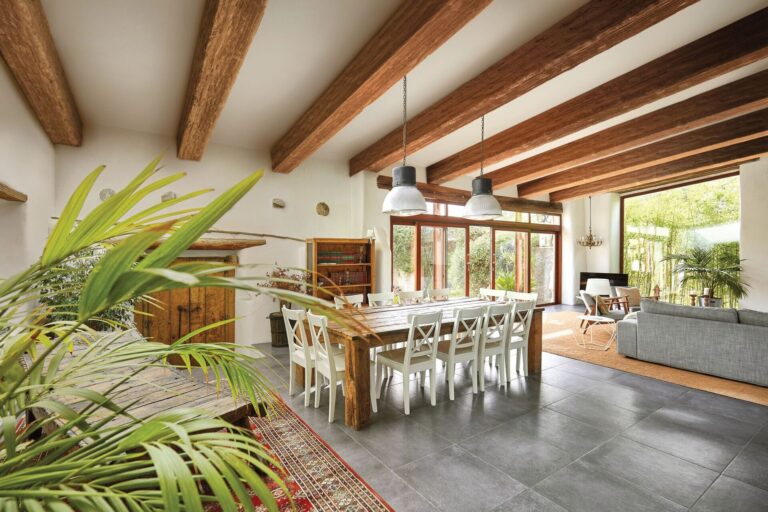
    A faux beam ceiling is one important type of wood beam ceilings. It refers to a decorative ceiling that uses materials like wood, foam, or gypsum to create the visual look of support beams. Unlike real structural beams, faux beams serve a solely aesthetic purpose. They create visual interest and architectural flair without bearing ceiling…
  • 5 Benefits of Wood Beam Ceilings

    5 Benefits of Wood Beam Ceilings

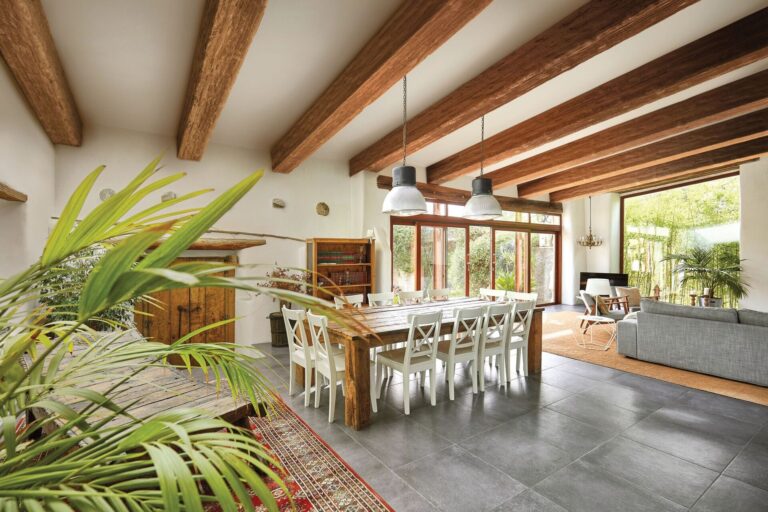
    A wood beam ceiling also known as exposed beam ceilings, exposed rafters, exposed timber beams or exposed trusses,  utilizes both functional and decorative wood beams running horizontally across a ceiling. Solid wood or artificial wood-looking beams expose the structural shape above. This separates a ceiling into distinct lined bays. Natural wood offers an organic, timeless material…

  • Fluted Columns – Optimizing Strength with Architectural Style

    Fluted Columns – Optimizing Strength with Architectural Style

    Fluted columns are concrete or steel columns featuring vertical indentations or concave grooves along their exterior surface resembling a stack of flutes. These uniform vertical grooves running along the member length, increasing load capacity through greater surface area and buckling resistance using less material than basic columns. The contours also provide visual lightness and classical…

  • 4 Innovations that are Revolutionizing Columns in Architecture

    4 Innovations that are Revolutionizing Columns in Architecture

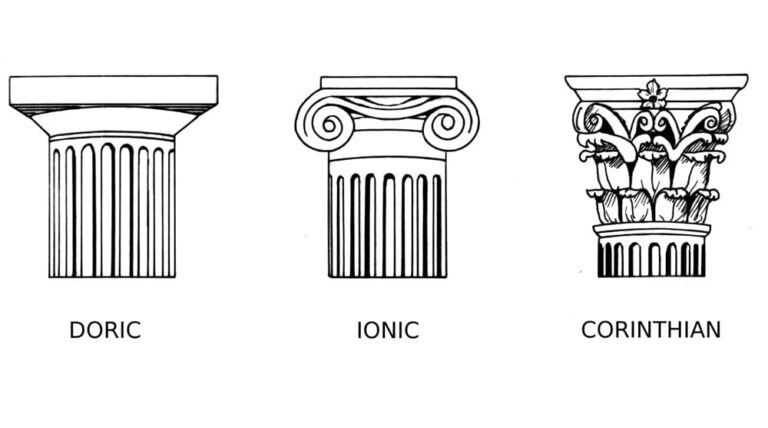
    Columns are core structural elements in architecture that carry weight vertically down to the foundation. They utilize compressive strength to support roofs, upper floors, and other horizontal members. Columns stabilize buildings while allowing creative openings in walls. They come in many styles—simple Greek Doric, ornate Corinthian, sleek modern metallic, and more. Beyond physical support, columns…

  • In-Depth Guide to Pilasters in Architecture and Design

    In-Depth Guide to Pilasters in Architecture and Design

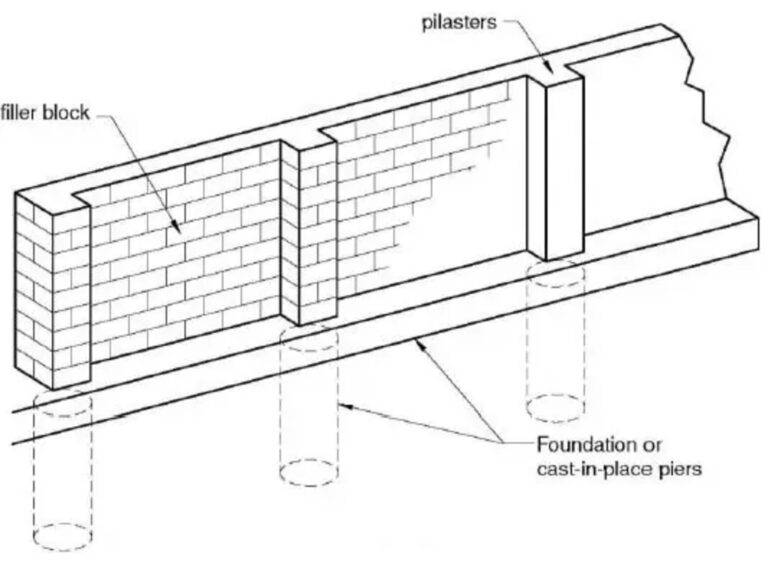
    Pilasters are architectural elements that add visual interest, depth, and decoration to structures while providing structural integrity. They have been used in various architectural styles throughout history, from ancient Greek and Roman designs to modern-day construction. This comprehensive guide covers everything you need to know about the purpose, history, and its uses in construction and…

  • Ideas for Wall Texture Design of Interior Walls

    Ideas for Wall Texture Design of Interior Walls

    Wall textures add visual interest and dimension to interior walls. Proper texture application helps hide imperfections, provides desired aesthetic effects, and improves wall durability. This article discusses the purpose, types, and best practices for wall texture design. What is Wall Texture Design? Wall texture refers to the visible surface characteristics and irregularities of a wall…

  • 10 Ideas of Vaulted Ceilings

    10 Ideas of Vaulted Ceilings

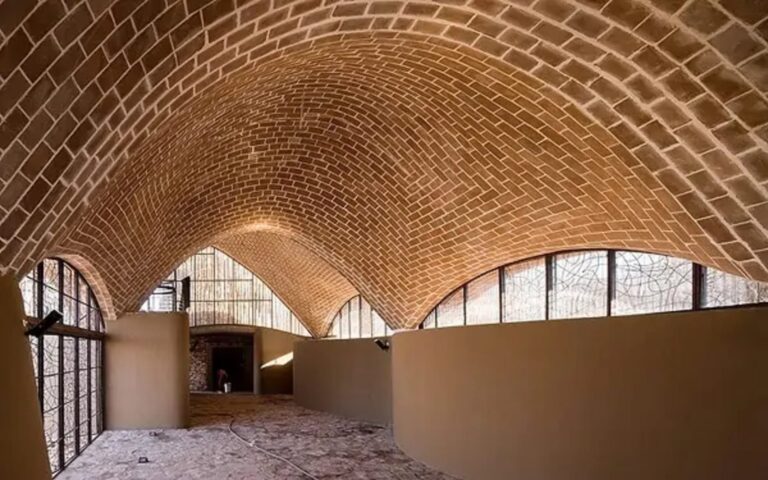
    Vaulted ceilings, also known as sloped or cathedral ceilings, are a popular architectural element that can add dramatic style and expanded space to a room. This comprehensive guide covers everything about vaulted ceilings including definitions, types, pros and cons, design considerations, construction, and decorating ideas. A vaulted ceiling refers to any ceiling with a raised…

  • Stone Masonry For Construction

    Stone Masonry For Construction

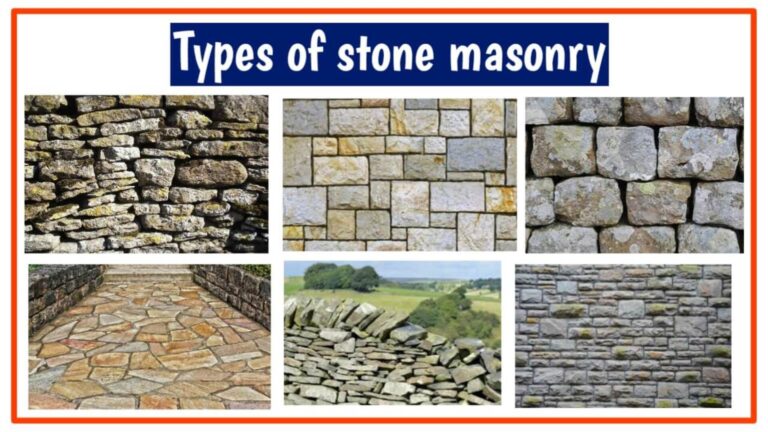
    Stone masonry is one of the oldest construction techniques and has been used for centuries to build strong, durable structures. It involves stacking cut and dressed stones on top of each other, held together by mortar, to form walls, arches, and other architectural elements. Masonry construction using natural stone continues to be popular today due…

  • Brutalist Architecture and Characteristics

    Brutalist Architecture and Characteristics

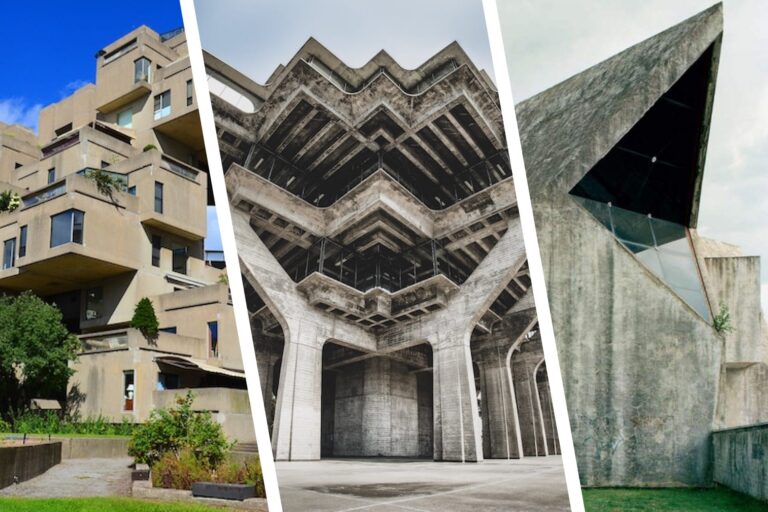
    Brutalist architecture is a style known for its rugged, block-like concrete buildings and its emphasis on materiality and function over decorative flourishes. Emerging in the 1950s. Brutalism became popular in the 1960s and 1970s before falling out of favor due to its cold, imposing aesthetic. However, in recent years, brutalism has seen a resurgence in…

  • What is Modernism Architecture and Details

    What is Modernism Architecture and Details

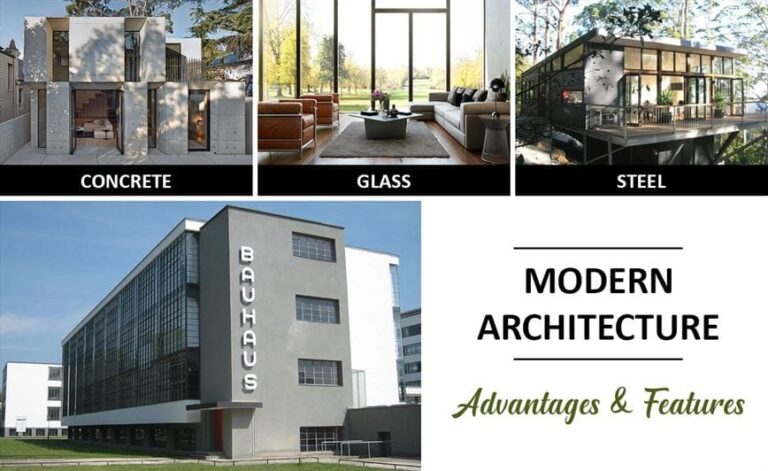
    Modernism architecture is also called International Style of architecture , after an exhibition of modernist architecture in America in 1932 by the architect Philip Johnson. The style became characterized by an emphasis on volume, asymmetrical compositions, and minimal ornamentation . Modernism was an architectural movement that emphasized function over form and rejected historical precedent and ornament….

End of content

End of content