• Post-Tensioned concrete – Benefits

    Post-Tensioned concrete – Benefits

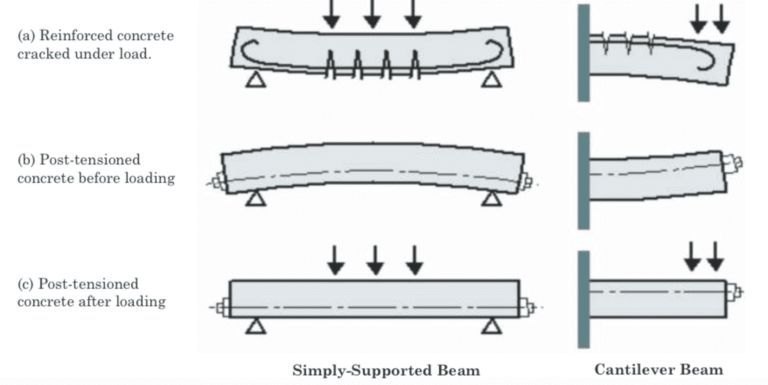
    Post-tensioned concrete is an advanced method of reinforcing concrete elements like slabs, beams, and walls. It involves tensioning high-strength steel strands inside plastic ducts cast into the concrete during construction. Using hydraulic jacks, technicians stretch the steel cables to over 70% of their tensile capacity after the surrounding concrete has cured. This puts the concrete…
  • Concrete Demolition – Processes, Methods, and Equipment

    Concrete Demolition – Processes, Methods, and Equipment

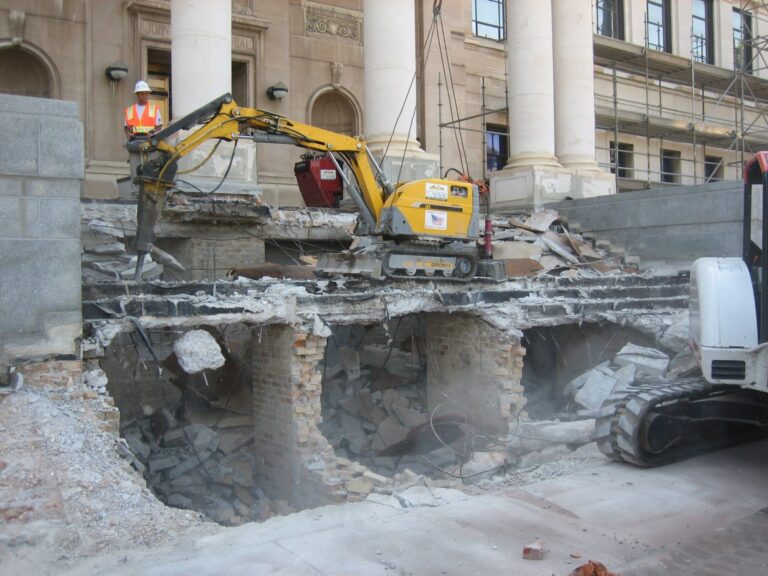
    As infrastructure and buildings age, concrete demolition becomes necessary before new construction can begin. Specialized tools and controlled techniques allow concrete to be broken up and hauled away while managing environmental impacts, costs, and safety concerns. Concrete demolition companies utilize jackhammers, diamond saws, hydraulic breakers, and other methods to fracture reinforced concrete. Projects must balance…

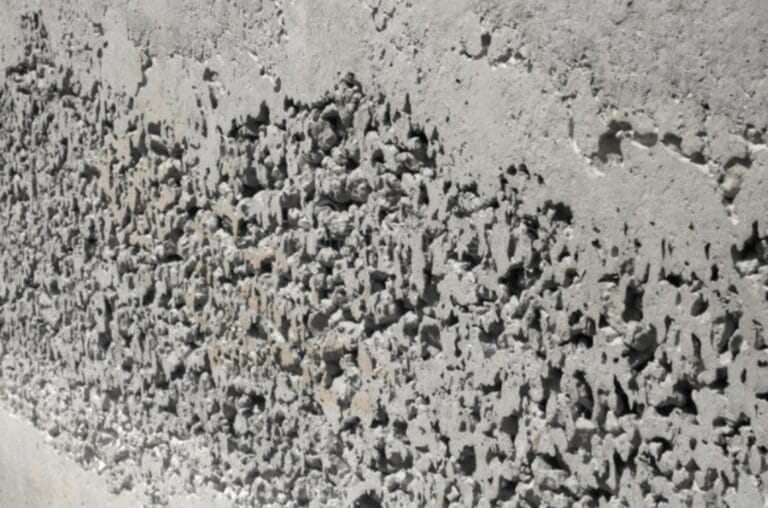
  • Concrete Honeycombing – Assessing Risks and Repairs

    Concrete Honeycombing – Assessing Risks and Repairs

    Honeycombing in concrete represents one of the most detrimental defects in concrete construction, significantly compromising integrity. This phenomenon occurs when gaps and cavities resembling a honeycomb pattern are left behind in cured concrete. Instead of a continuous matrix, concrete contains weaknesses in the form of hollow pores and channels that permeate within. Honeycombing stems largely…

  • 5 Advantages of Precast Concrete Construction

    Precast concrete construction refers to the fabrication of concrete structural elements at an offsite controlled facility, which are then transported and assembled into a building or structure at the project site. Precast concrete has been embraced by the construction industry due to the many benefits it offers over traditional cast-in-place concrete. The main purpose of…

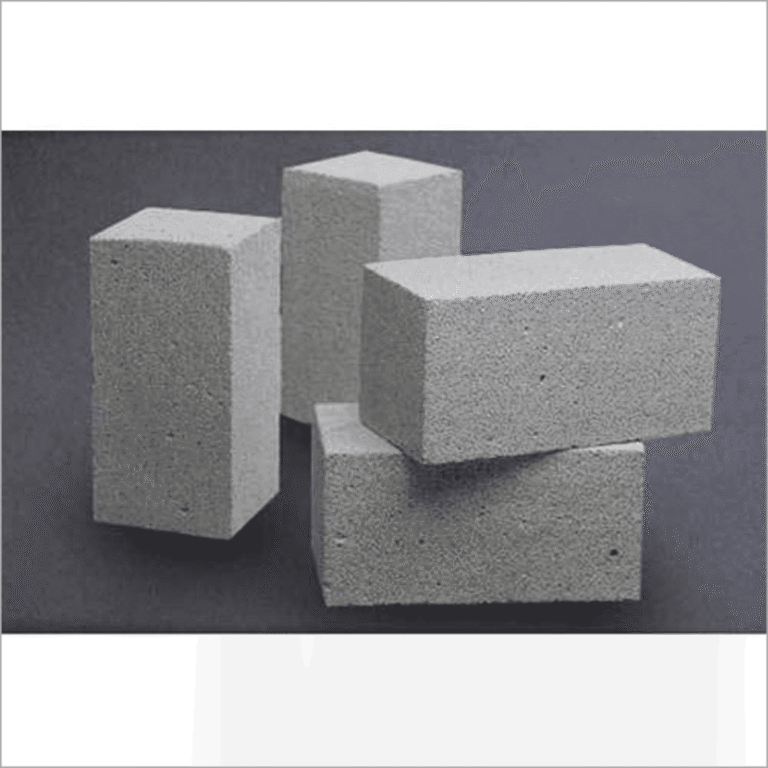
  • Crave the 10 Benefits of Lightweight Cellular Concrete

    Crave the 10 Benefits of Lightweight Cellular Concrete

    Cellular lightweight concretes represent innovative cement-based materials containing dispersions of micro-scale air voids to minimize density. Enhancing specific desirable properties. Modern foam or aerated concrete production along with advanced admixtures now facilitate wide-ranging lightweight concrete applications unmatched by traditional options. Autoclaved Aerated Concrete Blocks Autoclaved aerated concrete (AAC) stands as one of the most well-known…

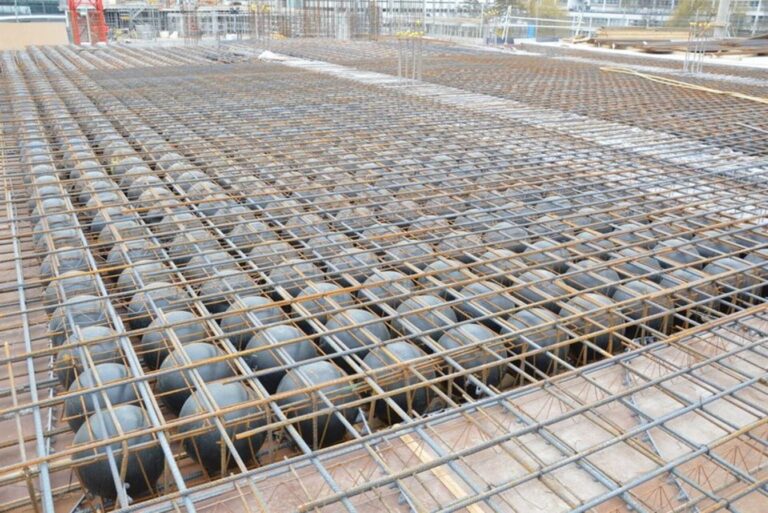
  • Bubble Deck Slab – A Lightweight Concrete Innovation

    Bubble Deck Slab – A Lightweight Concrete Innovation

    Bubble deck systems are a transformative voided slab technology that minimizes weight and materials while providing superior strength, span capability, speed of construction and sustainability versus traditional concrete floors. In the dynamic world of civil engineering, the bubble deck slab has emerged as an innovative solution, capturing the attention of industry professionals and homeowners alike….

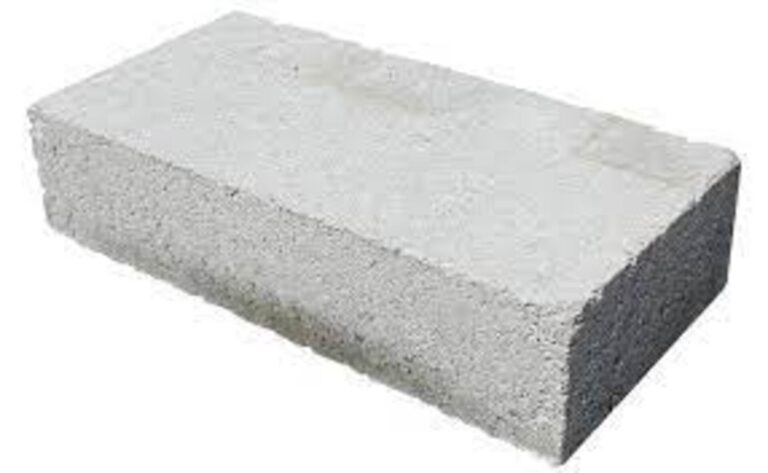
  • Sturdy Concrete Blocks for Your Construction Projects

    Sturdy Concrete Blocks for Your Construction Projects

    They are essential building materials used in all facets of construction, from homes and buildings to landscaping projects. This guide explores the various types of concrete blocks available, their key properties and applications, and important specifications to consider when selecting blocks. What is a Concrete Block? Also known as concrete masonry units (CMUs), are precast…

  • 10 Essential Concrete Forms for Unbreakable Structures: Master the Art of Formwork

    10 Essential Concrete Forms for Unbreakable Structures: Master the Art of Formwork

    Concrete forms constitute an integral yet unseen component in infrastructure and building construction. Concrete forms are essential structures that provide stability and shape to concrete during the curing process. Various types of forms are available, including wood, insulated concrete forms (ICFs), steel, concrete wall forms, and decorative forms. The choice of form depends on factors…

  • Maintaining Proper Concrete Temperatures for Quality Control

    Maintaining Proper Concrete Temperatures for Quality Control

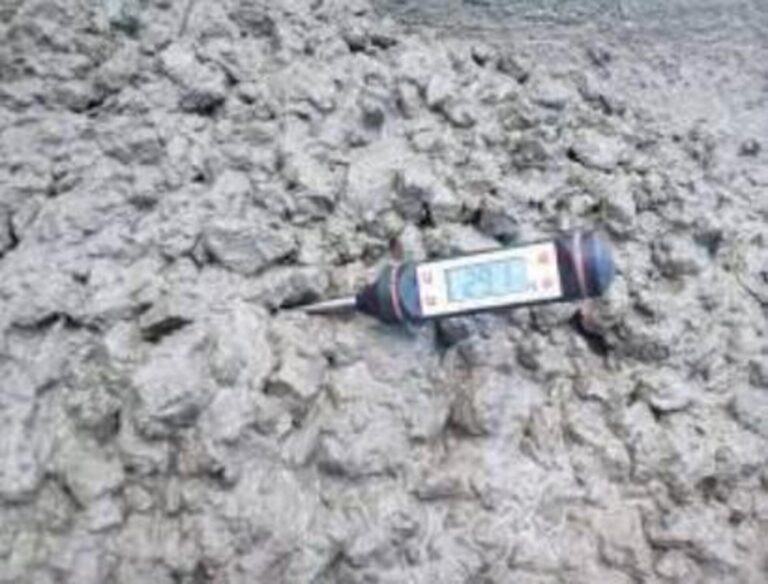
    Temperature is one of the most critical factors influencing freshly mixed and curing concrete properties. This comprehensive guide examines ideal temperature windows, effects of weather extremes, measurement methods, remediation strategies, hydration chemistry, and admixture solutions for successful concrete placements in any weather. What is Concrete Temperature? Concrete temperature refers to the internal thermal condition of…

End of content

End of content