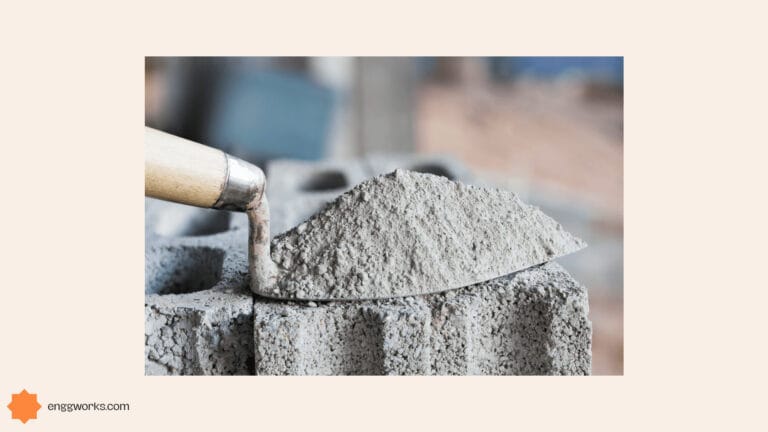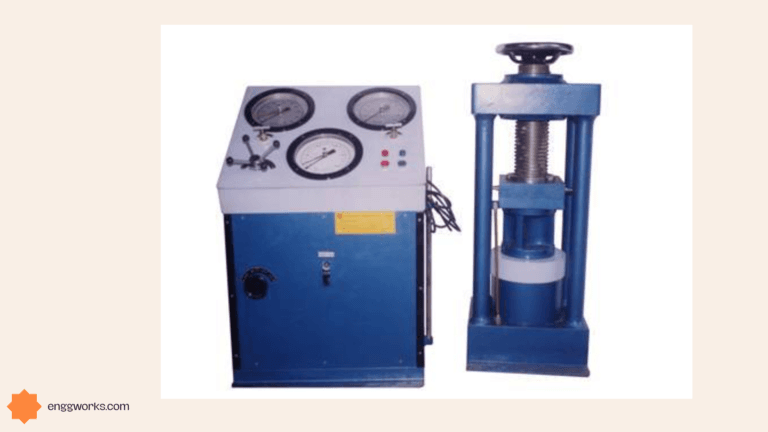

Grouting is the process of filling cavities or gaps in building materials like tile, stone, or concrete. Grouting tools are specialized instruments used in this procedure. Depending on the type of grouting project and the particular application, grouting tools can vary.
What are grouting tools?
The tools used to apply the grout material and smoothen it to give a good finish are called grouting tools.
Grouting tools are essential for achieving a professional finish when working with grout. The specific equipment needed will depend on the project’s scope, size, and complexity.

Common types of grouting tools
Grout mixers and agitators:
Both grout mixers and agitators play crucial roles in the grouting process and are essential equipment for any construction or mining project that involves grouting.
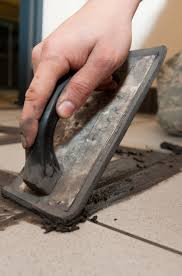
Grout float:
A flat, rubber-based equipment called a grout float is used to disperse grout uniformly over surfaces. These tools are used for spreading grout over tile or other surfaces, ensuring an even application. This tool is used in tile grouting.
Grout pumps
These are used for injecting grout into cracks and voids in concrete structures.
Major grouting methods such as jet grouting, permeation, tube-a-manchette grouting, are carried out using this tool.
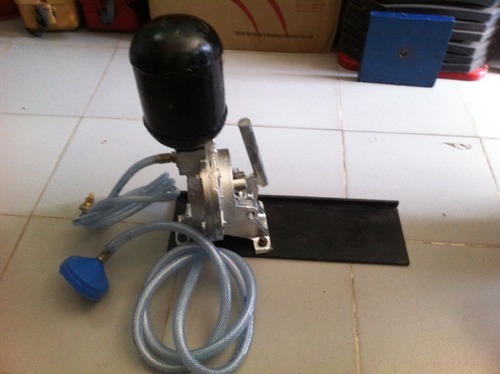
They come in various sizes, and some can be operated manually or with a motor.
Grouting pumps are crucial tools for many building and remodelling projects because they may be used to patch holes and fix damage, increasing the stability and durability of structures. Grouting pumps come in the following varieties:
piston pump
The most popular kind of grouting pump is a piston pump. They function by pushing grout through a cylinder and out of a nozzle using a piston. Usually, they are employed in smaller grouting projects.
Peristaltic Pumps
These pumps force grout through a flexible tube using a roller’s pressure, and then the grout comes out of a nozzle. Due to their ability to distribute bigger quantities of grout, peristaltic pumps are frequently employed for larger-scale grouting operations.
Injection pumps
These pumps are made to force grout into small gaps and cracks under high pressure. They are commonly used for bridge grouting, dams grouting and for building repairs.
Diaphragm Pumps
These pumps use a flexible diaphragm to push the grout through a nozzle. They are ideal for low-pressure grouting applications and are often used for filling gaps and cavities in walls and floors.
Grout guns
These handheld devices are used for dispensing grout into small and hard-to-reach areas, such as around fixtures or in tight spaces.
Grout saws
These hand tools are used for removing old grout before applying new grout.
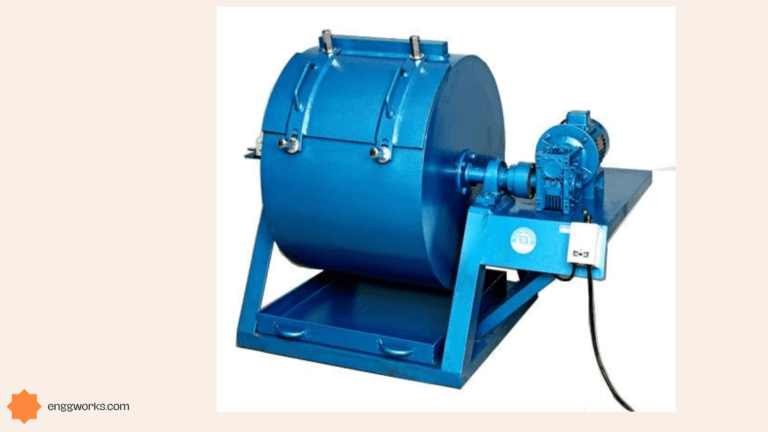
Grout mixers
These tools are used to mix grout to the proper consistency, making sure it is thoroughly combined and lump-free. They can be powered by a motor or manually.
Grout bags
These bags are used for dispensing grout in a controlled manner. They typically have a nozzle at one end and are filled with grout at the other end.
Grout cleaners
These are used to remove excess grout from the surface of tiles or other surfaces. They come in various formulations, including acid-based and non-acidic.
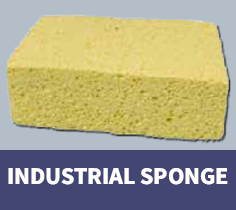
Grout sponge
A large sponge used for wiping away excess grout and smoothing out the surface.