• Foundation engineering- An overview

    Foundation engineering- An overview

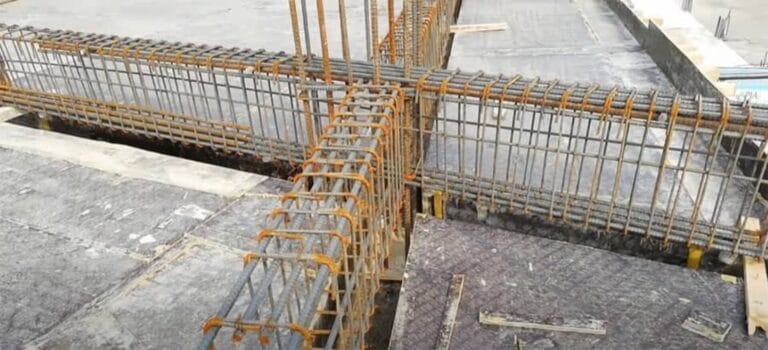
    What is Foundation Engineering? Foundation engineering is a sub-discipline of civil engineering that focuses on the design , analysis and construction of foundations for buildings and other structures that support structures and transfer their loads to the underlying soil or rock. It combines principles of soil mechanics, rock mechanics, geotechnical engineering, and structural engineering. A…

  • Brick Columns—Supporting Infrastructure from Ancient Times to Today

    Brick Columns—Supporting Infrastructure from Ancient Times to Today

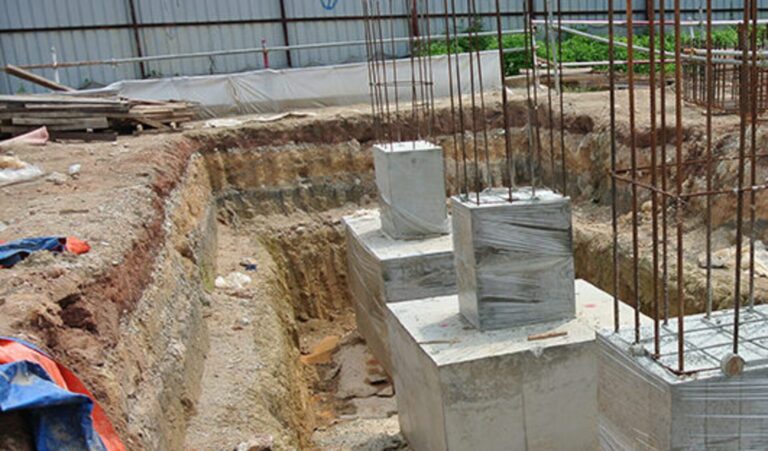
    A brick column is a vertical structural member made of bricks and mortar. It is used to support loads from beams, slabs, or other structural members. This type of column is mostly found in ancient historical structures. They are well known for their strength, durability, and classical architecture. Brick columns provide resistance to compressive stresses…

  • Outrigger Systems – Supporting Soaring Skyscrapers

    Outrigger Systems – Supporting Soaring Skyscrapers

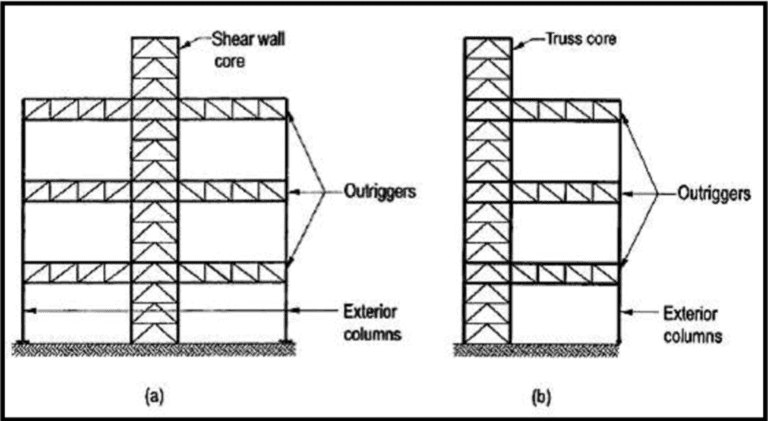
    Outrigger structural systems are integral to today’s cloud-piercing skylines, enabling towers to safely rise to elevations once unfathomable. You can know about outrigger principles, elements and applications explores how these lateral supports uphold the loftiest ambitions of modern architecture. An outrigger system connects the central core to exterior columns like the stabilizing float on a…

  • RCC Beam Design By Example and Theory Behind It

    RCC Beam Design By Example and Theory Behind It

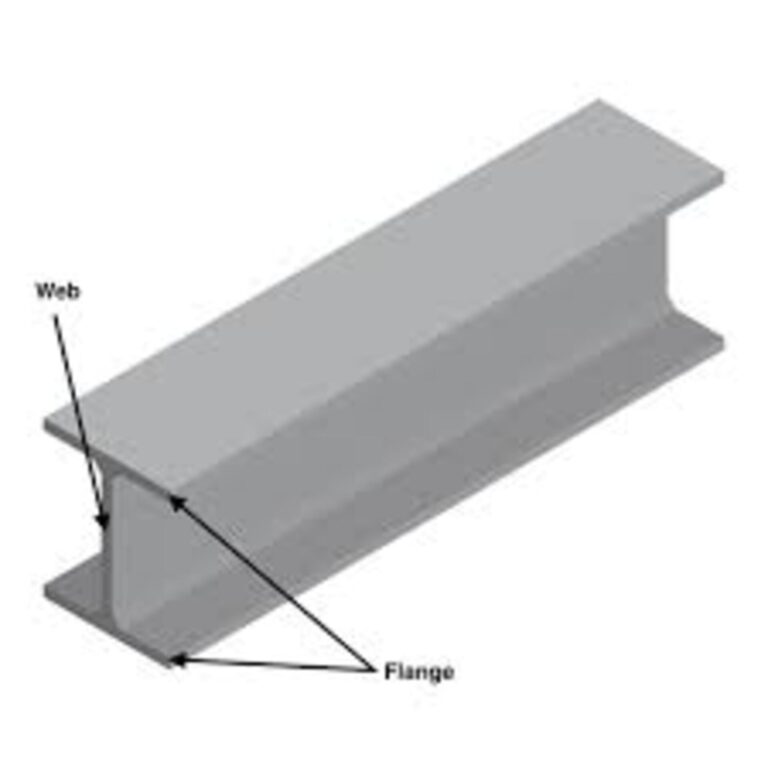
    Reinforced concrete (RCC) beams are structural elements that are designed to carry transverse external loads, such as dead, live, and seismic loads. The design of RCC beams involves the selection of appropriate dimensions, materials, and reinforcements to ensure safety and serviceability of the structure. The following are some of the steps involved in the design…

End of content

End of content