• Tie Beam Details-Unlocking Structural Strength

    Tie Beam Details-Unlocking Structural Strength

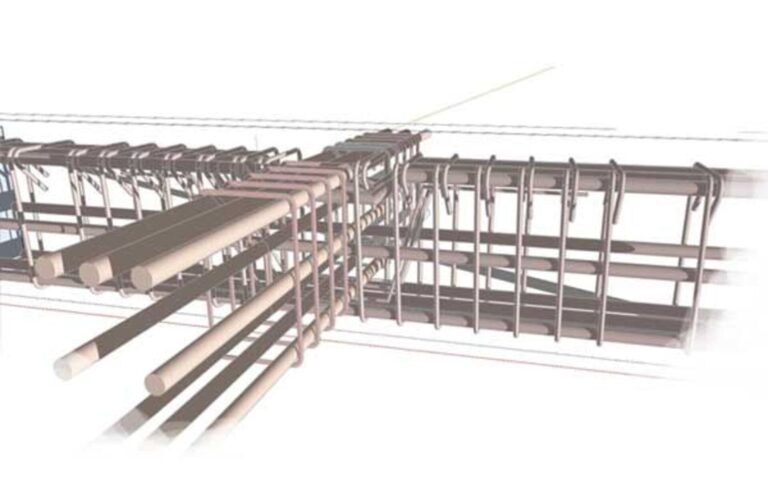
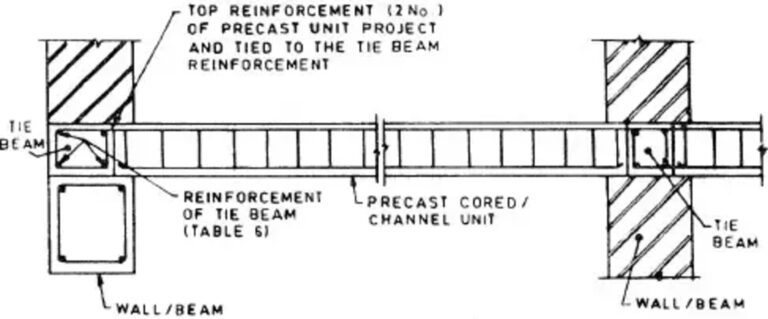
    Tie beam details are a constant focus in the construction industry . These unsung heroes of the construction industry play a vital role in the overall structural integrity of a building, and understanding their specific design elements is crucial for ensuring the long-term stability and safety of any structure. From the placement of reinforcement to…
  • Mastering the Art of Plinth Beam Design: 5 Transformative Principles

    Mastering the Art of Plinth Beam Design: 5 Transformative Principles

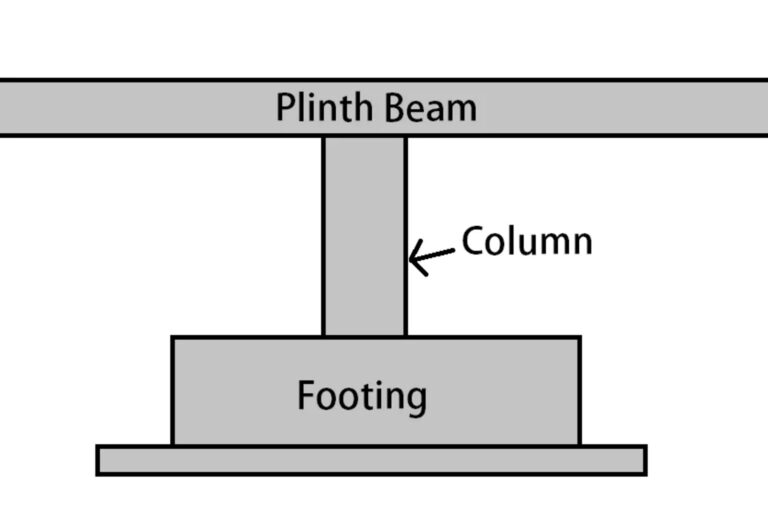
    A plinth beam, also known as a grade beam, is a vital structural component in building construction. It is a horizontal reinforced concrete beam that is cast at the plinth level, which is the junction between the superstructure and the foundation of a building. As the bedrock of a building’s design, the plinth beam’s strategic…

  • 10 Essential Tips for Designing Sturdy Tie Beams

    The tie beam often plays a crucial role in the design and construction of durable buildings. As a crucial component of a building’s foundation, the tie beam plays a pivotal role in ensuring the overall structural integrity of the structure. Fundamentally, the design of a tie beam involves finding the ideal balance between strength, stability,…

  • Steel Tensile Test for Structural Performance

    Steel tensile test provides key data on strength, ductility, and additional mechanical properties for structural design and quality control. Steel is one of the most widely used construction materials in buildings, vehicles, infrastructure, and machinery due to its immense strength and durability properties. Steel exhibits immense strength thanks to advanced production methods. However, validating mechanical…

  • Details about Civil Engineering 3d Structural Engineering Software

    The use of 3D structural design software is transforming the construction industry. These powerful programs allow civil and structural engineers to design and analyze complex projects with a level of detail and precision never before possible. According to industry research, over 75% of engineering firms now utilize 3D structural design software on some level. The…

  • Design of RCC Cross Beams according TO aCI 318

    Design of RCC Cross Beams according TO aCI 318

    Structural cross beams are vital horizontal members designed to resist lateral wind and seismic forces impacting buildings. Properly integrating cross beams stiffens the structure, limiting hazardous wrecking and damage to vertical framing elements during intense environmental loading conditions. While conventional floor and roof beams support vertical gravity loads between columns, uniquely purposed cross beams span…

  • Brick Columns—Supporting Infrastructure from Ancient Times to Today

    Brick Columns—Supporting Infrastructure from Ancient Times to Today

    A brick column is a vertical structural member made of bricks and mortar. It is used to support loads from beams, slabs, or other structural members. This type of column is mostly found in ancient historical structures. They are well known for their strength, durability, and classical architecture. Brick columns provide resistance to compressive stresses…

  • 5 Backbone Applications of Steel Columns

    5 Backbone Applications of Steel Columns

    From soaring skyscrapers to expansive airports, many of the awe-inspiring structures in our built environment rely on advanced vertical support from steel columns. Serving as the backbone upholding these ambitious designs, steel columns leverage unique properties that set them apart as prized structural components. This strength, stiffness, and versatility explains steel’s dominance as the column…

  • Engineering Stress vs True Stress for Steel

    Understanding the differences between engineering stress vs true stress is key for civil engineers designing steel structures. While both measure a material’s response to forces, they have distinct definitions and applications. This article explains the varying formulas, tensile test curves, and design uses of engineering vs true steel stress. Difference Between Engineering and True Stress…

End of content

End of content