• Aggregates used in Concrete

    Aggregates used in Concrete

    Before getting straight to the topic, let’s have a small discussion regarding aggregates. Did you ever wonder, why aggregates are typically used in construction and engineering projects? Have you asked yourself why is it necessary to use aggregates and what is their importance? What happens if at all aggregates are not available in a particular…

  • Complete Design of RCC Column using IS:456-2000 with Example

    Complete Design of RCC Column using IS:456-2000 with Example

    RCC stands for reinforced cement concrete, which means that concrete is reinforced with steel bars to increase its strength and durability. Concrete is strong in compression while a minimum longitudinal reinforcement is provided in the column to assist tensile stress. Column is an important component of RC structure. It may be defined as a member…

  • 7 Different Types of Tests on Aggregates (Coarse)

    7 Different Types of Tests on Aggregates (Coarse)

    Tests on aggregates ensure quality in civil engineering projects like concrete and roads. Aggregate testing in civil engineering covers physical and mechanical properties of aggregates, durability tests on aggregates, and more. This 2026 guide classifies tests, details procedures, limits, and selection tips per IS 2386 aggregate test methods. Essential for students and practitioners selecting road…

  • Shape Tests on Aggregates – Flakiness Index and Elongation Index

    Shape Tests on Aggregates – Flakiness Index and Elongation Index

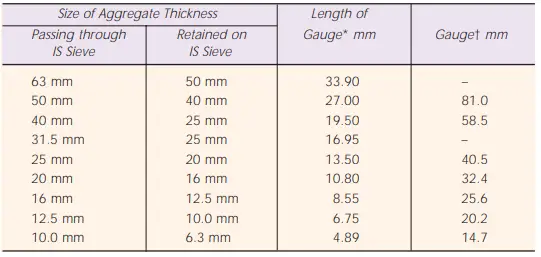
    Flakiness index is defined as the percentage by weight of the particles in it whose thickness is less than three- fifths (0.6 times) of their mean dimension. Flakiness index test Procedure Dimensions of thickness and length gauge FLAKINESS INDEX Elongation Index test Elongation index is defined as the percentage by weight of the particles in…

  • Aggregate Impact Test

    Aggregate Impact Test

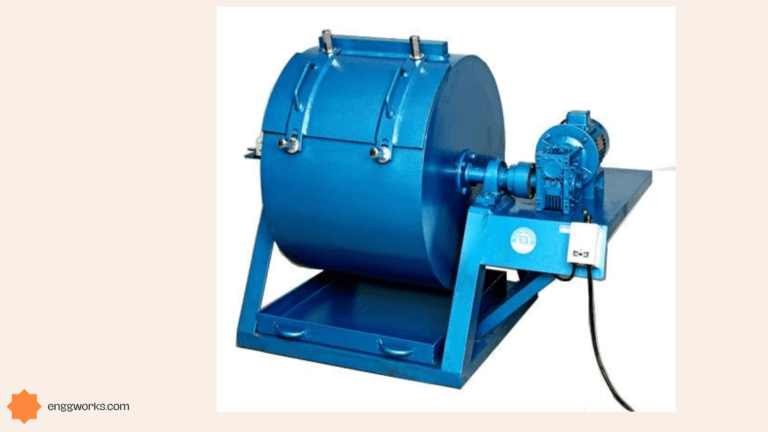
    Procedure Aggregate Impact Value (AIV) = B/A x 100 Where B =  weight of aggregate passing through 2.36 mm sieve A = weight of the oven – dried sample Note AIV should not be more than 45% for use in concrete other than wearing surfaces, and 30% for concrete used for wearing surfaces such as…

  • Aggregate Crushing Test

    Aggregate Crushing Test

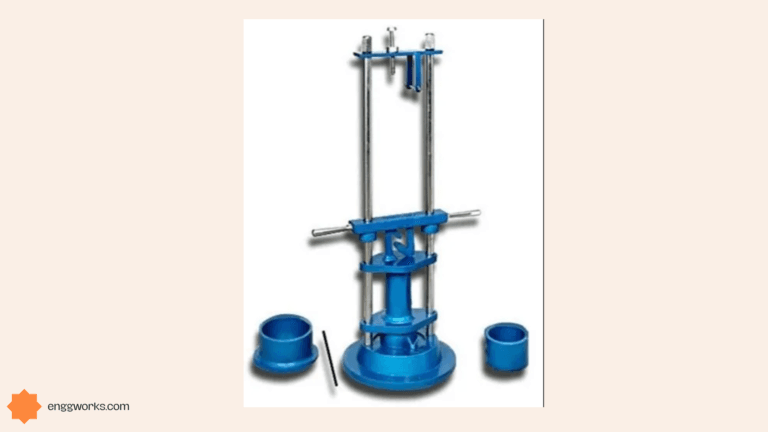
    Procedure Aggregate crushing value (ACV) =  B/A x 100 Where B =  weight of aggregate passing through 2.36 mm sieve A = weight of the surface dry sample taken in mould Note ACV should not be more than 45% for use in concrete other than wearing surfaces, and 30% for concrete used for wearing surfaces…

  • Sieve Analysis of Coarse Aggregate – 5 Steps

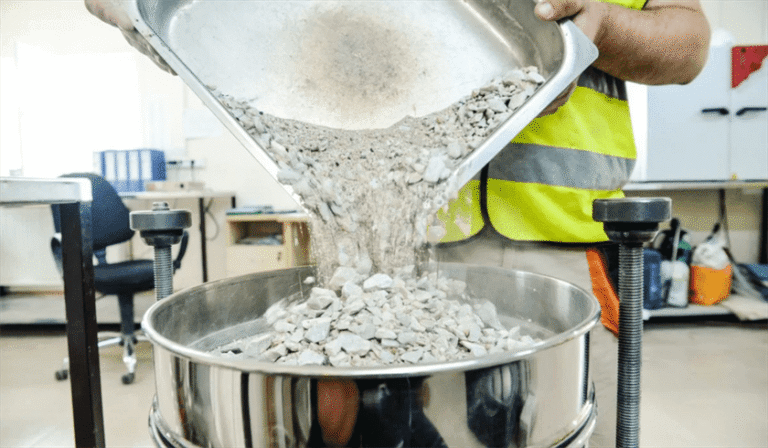
    Aggregate sieve analysis test is a method of determining the particle size distribution of aggregate samples in concrete technology practice. It is used to classify into different groups based on their grain size and shape. Sieve analysis of coarse aggregate is a crucial process in determining the particle size distribution and quality of aggregates used…

  • Design of Columns using Working Stress and Limit State Methods

    Design of Columns using Working Stress and Limit State Methods

    Design of columns necessitates the calculation of loads from the entire structure that are going to be  transferred to the footing or to the soil surface. It stands as a critical component in ensuring the structural integrity and stability of buildings, bridges, and other infrastructure. As the backbone of any construction project, columns play a pivotal…

End of content

End of content