• Understanding the Components and Performance of Bituminous Concrete

    Understanding the Components and Performance of Bituminous Concrete

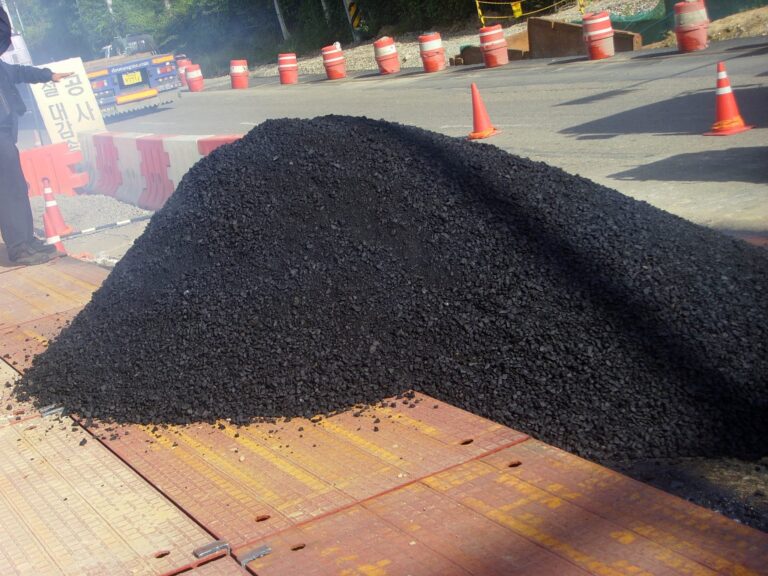
    It is commonly known as asphalt concrete and refers to a composite material used for paving roadways and other transportation infrastructure. It consists of liquid asphalt binder and graded mineral aggregate stones mixed together to form a viscoelastic mixture optimized for constructability and traffic loads. The term “bituminous concrete” comes from the naturally occurring hydrocarbon…

  • Harnessing Mohr’s Circle Methodology for Stress & Strain Analysis

    Mohr’s circle provides a fundamental visualization tool for performing complex stress and strain transformations vital within civil and mechanical engineering applications. Originated by mathematician Otto Mohr, the technique converts three-dimensional states of stress or strain into a graphical format enabling convenient calculation of principal values, orientations and more. Mohr’s circle uniquely transforms complex two-dimensional stress…

  • Interpreting Compression Stress-Strain Curves

    Interpreting Compression Stress-Strain Curves

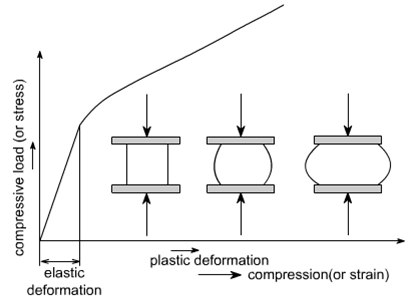
    The compression stress-strain curve is a fundamental graph used in civil engineering for analyzing the behavior of structural materials like concrete, steel, soil and more when subjected to compressive loading forces. A stress-strain curve graphs the relationship between compressive stress, measured in units like psi or MPa, on the y-axis, and compressive strain, as a…

  • Standard Test Methods for Evaluating Concrete Compressive Strength

    Standard Test Methods for Evaluating Concrete Compressive Strength

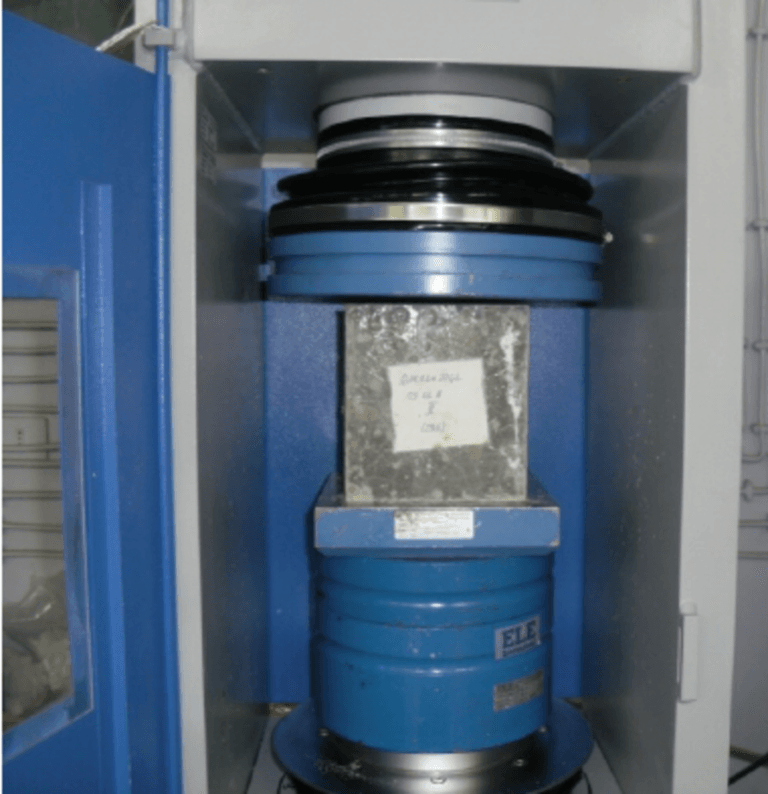
    Compressive strength is a critical metric for engineering material performance, representing the maximum load carrying capacity under applied compressive forces. For concrete structures, compressive strength directly informs structural integrity as it resists buckling, crushing, and element failure. As a primary design factor and bases for concrete quality control, accurately testing and optimizing the compressive strength…

  • Concrete defects – Identifying and Repairing Common Issues

    Concrete defects – Identifying and Repairing Common Issues

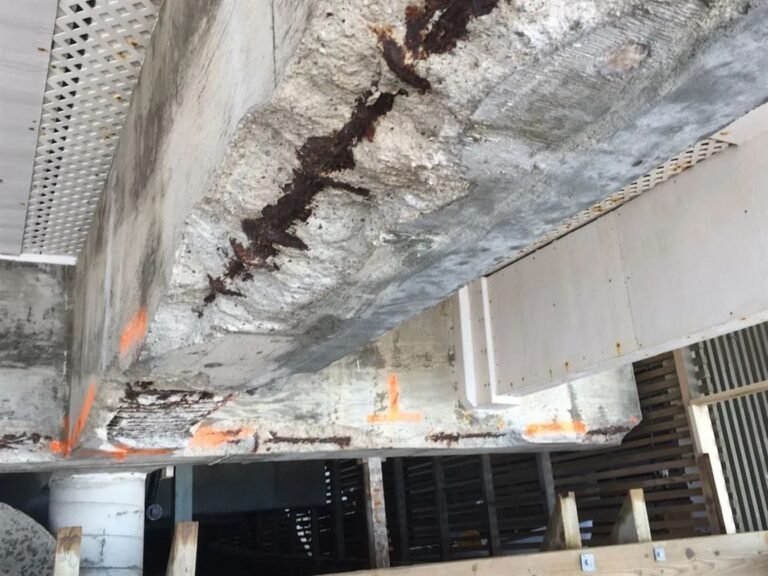
    Concrete is one of the most widely used materials in the construction industry. However, defects and deterioration can develop, compromising structural integrity or aesthetics. Understanding common concrete defects and appropriate repair methods ensures durability and safety. What are Defects of Concrete Defects in concrete result from issues with the mixing, placement, or curing process, resulting…

  • Subsurface Scanning Using Ground Penetrating Radar (GPR)

    Subsurface Scanning Using Ground Penetrating Radar (GPR)

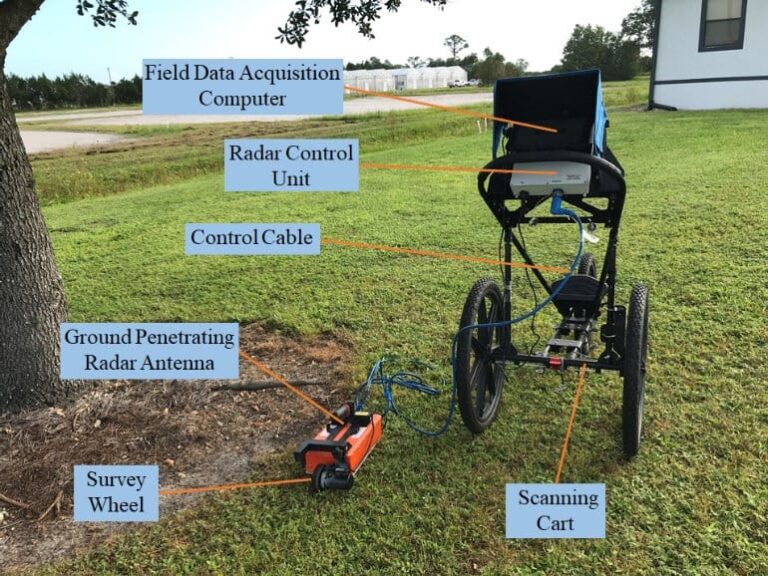
    Subsurface scanning is a non-invasive technique used to map and visualize the composition and structure of the ground beneath the surface. This technology employs various methods, such as ground-penetrating radar (GPR), electrical resistivity tomography (ERT), and seismic refraction, to gather data about subsurface features without the need for excavation. By sending electromagnetic waves, electrical currents,…

  • 50% More Energy-Efficient Advanced Concrete Cuts Costs

    50% More Energy-Efficient Advanced Concrete Cuts Costs

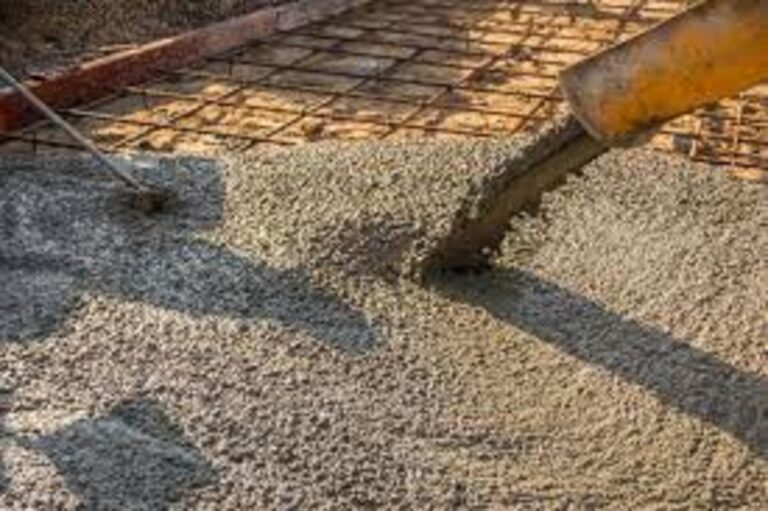
    The field of concrete technology and construction is rapidly advancing and seeking to unlock greater performance, efficiency, and sustainability. From ultra-high strength mixtures to next generation manufacturing processes, today’s leading edge innovations and breakthroughs in concrete promise to revolutionize everything from buildings to infrastructure. lets now discuss some of the advancement in the concrete technology…

  • Design of RCC Cross Beams according TO aCI 318

    Design of RCC Cross Beams according TO aCI 318

    Structural cross beams are vital horizontal members designed to resist lateral wind and seismic forces impacting buildings. Properly integrating cross beams stiffens the structure, limiting hazardous wrecking and damage to vertical framing elements during intense environmental loading conditions. While conventional floor and roof beams support vertical gravity loads between columns, uniquely purposed cross beams span…

  • Examining Strength and Durability Through Non Destructive Testing of Concrete

    Non destructive testing allows assessment of concrete properties without damage – discover these invaluable inspection techniques for improved structural reliability. Concrete is one of civil engineering’s most ubiquitous construction materials, used in everything from foundations to skyscrapers. While extremely durable, factors like improper curing, adverse events, or simply the passage of time can undermine concrete…

End of content

End of content