

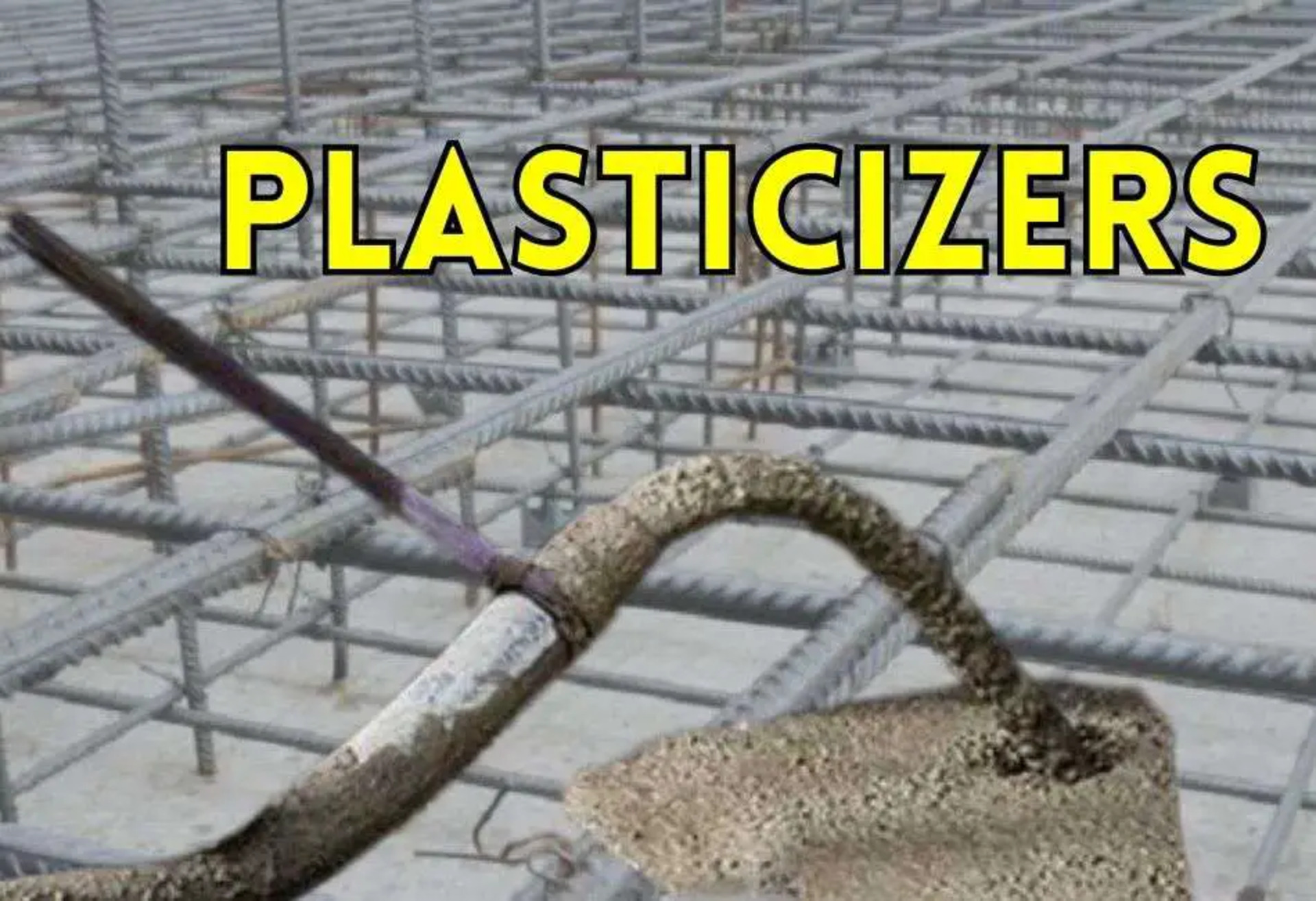
Plasticizers, or water-reducing admixtures, are chemical agents added to concrete mixes. They slash water content by 5-30% without losing workability or slump. This technique boosts compressive strength 20-50%, cuts permeability, and slashes cement needs by 10-15%—key for sustainable 2026 builds.
Benefits: Higher durability against chemicals/frost. This allows for the use of self-compacting concrete (SCC) in complex forms. This material is particularly suitable for high-rise columns and bridges with grades ranging from M40 to M80. Civil engineers use 0.1-1.5% of cement weight according to IS 9103 standards.
2026 Relevance: Meets green codes (low-carbon mixes). Superplasticizers (PCE-type) lead to UHPC. Superplasticizers (PCE-type) are essential for students (GATE/SSC JE) and practitioners who are dealing with hot climates and pumped concrete.
Concrete is the most widely used construction material in the world, but anyone working with it knows the challenges in balancing workability, strength, and durability.
Plasticizers for concrete play a crucial role in this process.
These powerful chemical admixtures transform ordinary cement mixes into high-performance building materials by reducing water requirements, enhancing workability, and improving strength.
In this guide, we will cover what plasticizers in concrete are, their purpose, types, advantages, disadvantages, and applications to help engineers, architects, and contractors understand everything about this essential material.
What is a plasticizer in concrete?
A plasticizer in concrete is a chemical added to cement mixes that helps make the mixture easier to work with while keeping the amount of water the same.
In simple terms, it allows concrete to be more fluid and workable, making it easier to pour and shape without compromising strength.
So, what is plasticizer for cement?
It is essentially a chemical compound that disperses cement particles evenly, improving hydration and bond. Examples of common concrete plasticizers include lignosulfonates, polycarboxylates, and sulfonated naphthalene formaldehyde (SNF).
A plasticizer is a substance that is added to concrete, plastics, or other materials to increase their flexibility, workability, and durability. Plasticizers allow concrete to be poured and molded more easily during construction while reducing cracking as it cures. They also improve the tensile strength of concrete.
Plasticizers work by embedding themselves between chains of polymers, spacing them apart. This helps the concrete and plastics become more flexible and malleable. Plasticizers are commonly used with polyvinyl chloride (PVC) and concrete mixtures.
Why Use Plasticizer in Cement?
Contractors and engineers use plasticizers for concrete admixture because they offer multiple benefits:
- Increase the workability of stiff concrete mixes.
- Reduce the water-cement ratio for enhanced strength.
- Improve durability and long-term performance.
- Save costs by minimizing cement and water usage.
This answers the question, what is the point of plasticizers in concrete? Simply put, they make concrete easier to handle while boosting performance.
What are plasticizers for concrete? (water-reducing admixtures)
Plasticizers are chemical admixtures that decrease the amount of water used in the mixing process while maintaining the slump of the concrete. Benefits:
- 20-30% higher strength
- Better finishability
- Reduced cement (5-15%)
- Lower permeability
| Type | Water Reduction | Dosage (% (cement) | Best For |
|---|---|---|---|
| Lignosulfonates | 5-12% | 0.2-0.5% | Normal concrete [web] |
| Naphthalene (NSF) | 12-20% | 0.5-1.5% | Ready-mix |
| Polycarboxylate (PCE) | 25-40% | 0.1-0.4% | High-strength M60+ |
| Melamine | 15-25% | 0.4-1.0% | Precast elements |
| Sulfonated Synthetic | 10-18% | 0.3-0.8% | Hot weather [web] |
Characteristics of Concrete Plasticizer: Characteristics and Applications
The characteristics of a concrete plasticizer include water reduction, slump improvement, delayed setting time, and improved finish quality.
Key applications include:
- Pumpable concrete is necessary for high-rise buildings.
- Mass concrete pours where reduced heat from hydration is desired.
- Ready-mix concrete transportation to maintain workability.
- Precast concrete manufacturing for smooth finishes.
In fact, concrete-manufacturing plasticizers are essential in modern construction, from foundation work (plasticized foundation) to large-scale infrastructure.
Types of Concrete Plasticizers
There are several types of concrete plasticizers, each suited for different applications:
- Lignosulfonate-based plasticizers are traditional, cost-effective, and widely used.
- Sulfonated Naphthalene Formaldehyde (SNF)—Provides high water reduction and strength.
- Sulfonated Melamine Formaldehyde (SMF)—Used in precast and high-strength concrete.
- Polycarboxylate Ether (PCE)—Considered the best plasticizer for concrete, offering superior performance, slump retention, and low dosage requirements.
There are several classes of plasticizers that are used as admixtures in concrete. Some important types of plasticizers used in concrete:
- Lignosulfonates—These are byproducts from the papermaking industry and are one of the most affordable plasticizers. However, they retard concrete setting significantly.
- Sulfonated naphthalene formaldehydes (SNF)—These moderately priced plasticizers allow some strength gain properties. They have limited slump retention.
- Sulfonated melamine formaldehydes (SMF)—These plasticizers are based on condensation products and are suitable for hot weather concreting.
- Polycarboxylate ether (PCE)—PCEs are high-range water reducers that provide increased early and late strength. They allow low water-cement ratios.
- Sulfonated vinyl copolymers—These versatile plasticizers work well across different types of concrete mixes and temperature conditions.
- Glycol ethers—propylene and ethylene glycol derivatives that aid slump retention but can slightly retard setting time.
- Polyacrylic esters improve slump retention without retarding setting, but they are on the higher cost side.
- Biopolymers are natural plasticizers such as lignin or sulfonated lignin derivatives. They are eco-friendly options.
For those asking, what is plasticizer 100?—It is a designation often used for high-performance superplasticizers like PCE in advanced concrete mixes.
How to Use Plasticizers: Dosage Guide
| Concrete Grade | Polycarboxylate Dosage | Target Slump |
|---|---|---|
| M25-M30 | 0.15-0.25% | 100-150mm |
| M40 | 0.20-0.35% | 120-180mm |
| M60+ (HSC) | 0.30-0.50% | 160-220mm |
Overdose: Segregation, retardation. Underdose: No workability gain.
Plasticizer Effect on Concrete
The plasticizer effect on concrete is seen in multiple ways:
- This chemical compound enhances the fluidity and slump of the concrete.
- The plasticizer effect enhances compaction while reducing vibration.
- It enhances both the compressive and tensile strength of the concrete.
- It also reduces the likelihood of cracking and shrinkage.
- It regulates the increased cure time effect of the concrete plasticizers, thereby ensuring proper hydration.
However, engineers also study plasticized vs. non-plasticized, meaning concrete mixes. Without plasticizers, concrete requires more water, leading to weaker structures. With plasticizer, less water is needed, resulting in higher strength and durability.
Advantages of Using Plasticiser
If you are wondering, what are the advantages of using plasticizer? Here are the key benefits:
- The use of plasticizer results in a savings of 12–25% on mixing water.
- It ensures smoother finishes in the formwork.
- It enhances the pumpability of large pours.
- Concrete plasticizer enhances both the early and final strength of the concrete.
- It gradually lowers construction costs over time.
In summary, the advantages of using concrete plasticizer: Although plasticizers in concrete offer numerous advantages, they also present unavoidable disadvantages.
Advantages of Plasticizers in Concrete
While plasticizers in concrete offer numerous benefits, they also carry unavoidable disadvantages.
- Concrete plasticizers can cause overdose, congestion, and bleeding.
- Extended setting times may occur in cold climates.
- Some plasticizers may absorb contaminants (concrete plasticizers absorb pollutants).
- High-quality superplasticizers can be expensive.
- Rare cases of durability issues are sometimes referred to as concrete plasticizer resoiling.
Therefore, the primary disadvantages of using plasticizers in concrete stem from improper dosage or the use of low-quality admixtures.
How Does a Plastifier Work?
Many professionals inquire about how a plasticizer functions.
A plasticizer works by dispersing cement particles uniformly, preventing clustering and improving hydration. This modification reduces the need for water in the mix while improving workability.
In basic terms:
- Without a plasticizer, cement particles tend to clump together, which requires more water and results in weaker concrete.
- With plasticizer added to concrete, particles spread evenly, less water is needed, and the concrete is stronger and more workable.
What Are Concrete Plasticizers? Explained in Detail
To answer, “What are concrete plasticizers?” in the most detailed way:
- They are chemical admixtures designed to reduce water requirements.
- They convert stiff, low-workability mixes into fluid, workable mixes.
- They improve the properties of both fresh and hardened concrete.
- They are essential to the design of concrete mixes for both small and large projects.
- They align with modern sustainability goals by reducing cement usage and carbon emissions.
For searchers typing “concrete plasticizer” or “concrete plasticizers” into Google, this is the professional explanation.
So, what are concrete plasticizers, and what is their purpose?
The purpose is threefold: reduce water, improve workability, and maintain or enhance strength. This is the key to modern concrete admixture technology.
Different regions have preferred major plasticizers for concrete, depending on the climate and local regulations.
- In the UK, polycarboxylate ethers (PCE) dominate modern concrete designs.
- Lignosulfonates remain popular in developing countries.
- Global research into plasticizer pre-con products continues to improve performance.
Plasticizer in Concrete Mix Design
Plasticizer in the concrete mix design is about achieving balance. By reducing water while maintaining slump, structural engineers create durable and cost-effective mixes for everything from high-rise buildings to bridges.
Specialized additives, such as loudspeaker vinyl plasticizer and plasticizer H, are types of plasticizers used in manufacturing industries beyond construction. But in civil engineering, the focus is on workability and strength.
To wrap up, plasticizers are indispensable in modern concrete construction. From foundation works to skyscrapers, they enhance workability, reduce costs, and improve performance.
Contractors need to be mindful of the potential disadvantages of plasticizers in concrete, but when they use these products correctly, the advantages greatly surpass any potential drawbacks.
If you are in construction and wondering what concrete plasticizers are, explained in detail, they are the chemical key to making concrete more efficient, sustainable, and durable.
The ultimate answer to why plasticizers are used in cement is simple: they create stronger, longer-lasting, and more workable concrete. As sustainable construction grows, plasticizers for concrete will continue to define the next generation of high-performance materials.
Plasticizers vs Other Admixtures (concrete admixture types)
| Admixture | Purpose | Effect on Setting |
|---|---|---|
| Plasticizer | Workability | Normal |
| Accelerator | Early strength | Faster |
| Retarder | Hot weather | Slower |
| Air Entrainer | Freeze-thaw | Normal + air |
The Importance and Purpose of Plasticizers
Plasticizers serve several crucial purposes in civil engineering materials:
- Workability: Plasticizers enable concrete to flow more easily into molds and around rebar during the pouring process. Plasticizers make the concrete more malleable and enhance its slump. This improvement makes large pours easier.
- Durability—By improving concrete’s flexural strength and tensile strength, plasticizers help it better withstand freezing, thawing, shrinkage, and thermal cycles. This process improves infrastructure lifespan.
- During the curing process, plasticizers can extend the time it takes for concrete to set. This results in improved overall strength.
- Adding plasticizers allows for a reduction in the amount of water used in concrete mixes. This technique reduces segregation and lowers costs.
- Finish—Concrete made with plasticizers has a smoother finish.
- Some types of plasticizers enable earlier strength gain in concrete, which allows for faster demolding and construction. This technique allows faster demolding and construction.
So, plasticizers are essential for workable, durable, and high-quality concrete in civil engineering projects.
Advantages and Disadvantages of Plasticizers
Adding plasticizers to concrete and PVC comes with a mix of pros and cons:
Advantages:
- Improved workability and pours
- Increased strength and durability
- Smooth surface finishes
- Faster curing and construction times
- Reduced cracking and shrinkage
- Lower costs
Disadvantages:
- Additional material costs
- Overdosage can reduce strength
- Some types migrate out over time
- Toxicity concerns with some plasticizers
- Need to test compatibility with cement
- Effects vary across temperature changes
Usage of Plasticizers in Concrete
Here are some key points about plasticizers in concrete:
- Plasticizers are chemical admixtures that increase the workability and plasticity of concrete. This makes concrete easier to place and finish.
- Common types of plasticizers include lignosulfonates, sulfonated naphthalene formaldehydes, polycarboxylates, and sulfonated melamine formaldehydes. They work by dispersing cement particles and decreasing the demand for water.
- Benefits of using plasticizers in concrete: improved workability and flow, reduced water demand, increased strength, decreased permeability, easier pumping and placement, and improved finish and appearance.
- Plasticizers allow the use of lower water-cement ratios for increased strength. They also help disperse cement evenly, which reduces void spaces.
- Dosage rates for plasticizers typically range from 0.1 to 0.6% based on the weight of cementitious materials. Overdosage can negatively impact strength.
- Plasticizers are especially useful for high-strength concrete, self-consolidating concrete, cold weather placement, pumped concrete, underwater concrete, and smooth architectural finishes.
- Polycarboxylate-based plasticizers are more powerful than traditional lignosulfonates, which allows for lower dosages. They also provide increased strength.
- Considerations when using plasticizers include their impacts on setting time, slump retention, air entrainment, and cost. Compatibility with the mix design and temperature conditions must be evaluated.
- Testing trial batches is important to optimize plasticizer selection and dosage for the desired workability and strength properties. Plasticizers improve concrete quality and constructability.
Plasticizers are commonly used in concrete to improve placement and performance. Following are some important concrete types where the plasticizers are used to improve their functionality.
- High-strength concrete—Low w/c ratios necessitate plasticizers to maintain workability.
- Self-consolidating concrete—provides even flow without vibrating or tamping.
- Underwater concrete—prevents washout of cement in wet placements.
- Pumping concrete allows pouring over long distances without clogging.
- Cold-weather concreting improves setting time and strength development.
- Underlayment and overlay provide a smooth surface finish.
Typical plasticizer dosage rates range from 0.3% to 1.5% of the weight of the cementitious material. Overdosing can negatively impact strength. Trial batches should be tested.
Types of Plasticizers
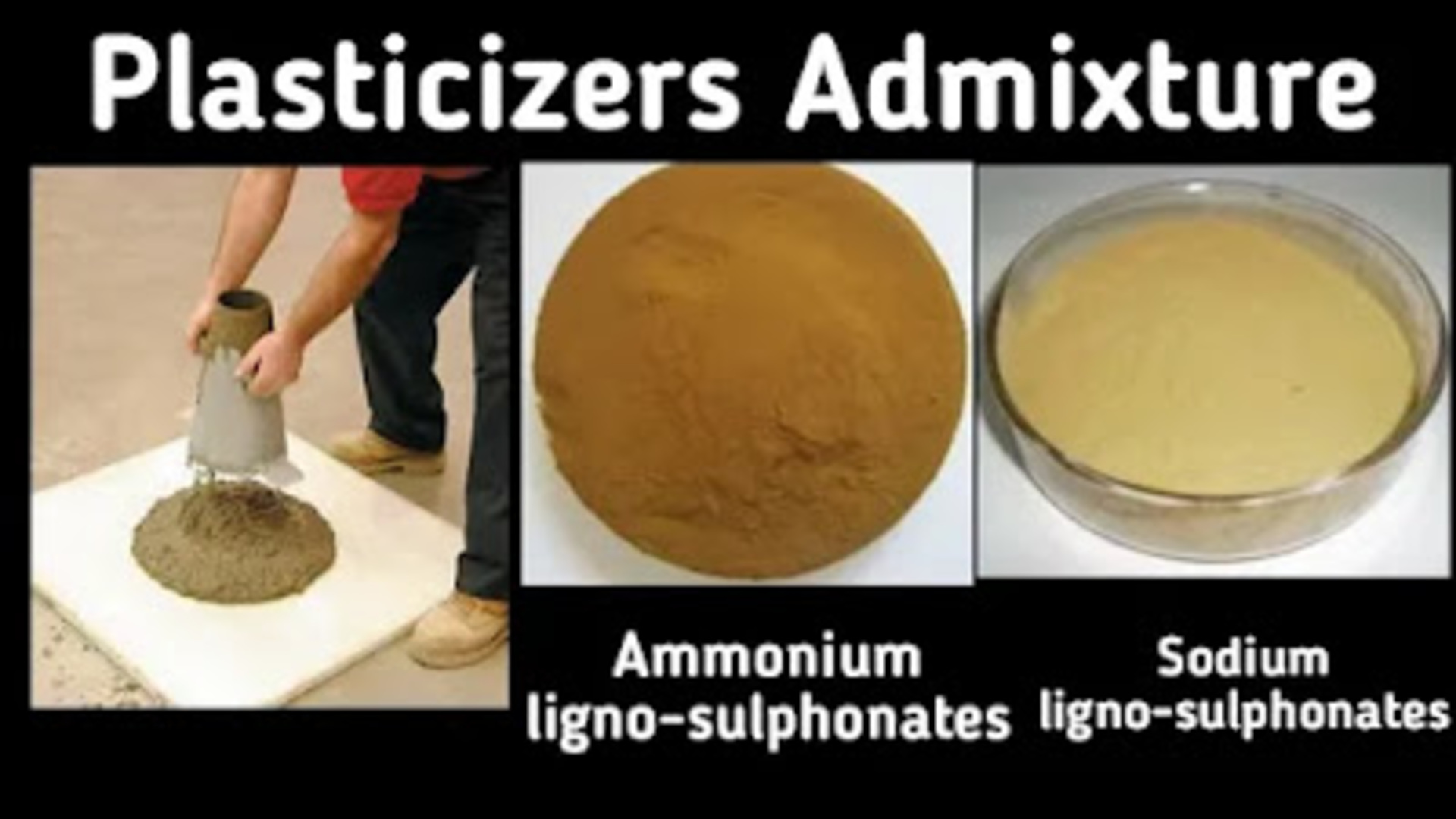
Polycarboxylates are increasingly recognized as the most popular and high-performance plasticizers for concrete. Various combinations of plasticizers may be used to optimize the properties of concrete. Testing helps determine the best type and dosage of plasticizer.
New plasticizers are also being developed, including polyalkylene ether derivatives and biopolymers. Using combinations can optimize benefits.
Plasticizer Migration
A downside of some plasticizers is that they leach out of materials over time, a phenomenon known as plasticizer migration. It reduces durability and performance.
Factors such as temperature and thermal cycling influence the loss of plasticizers.
- Temperature and thermal cycling
- Concentration gradients
- Polymer properties like hydrophobicity
- Molecular weight of plasticizer
Engineers must consider potential migration when selecting plasticizers for long-term use.
Plasticizer Toxicity
Traditional plasticizers include phthalates and parabens that have faced scrutiny for endocrine disruption and reproductive toxicity risks. Common examples include
- DEHP
- DBP
- BBP
- DEP
It has led to bans on certain phthalates in children’s products. Eco-friendly alternatives are now gaining use.
Phthalate Plasticizers
Phthalates, widely used in PVC and other plastics, are being phased out due to health concerns. Common types include
- DEHP—Used in construction materials and medical tubing.
- DBP—Found in adhesives, sealants, and flooring.
- BBP—Added to vinyl flooring, adhesives.
- DINP—Used in toys and construction materials.
Although phthalates are cheap and effective, the EPA has banned certain types from children’s products. Their use is declining because of toxicity concerns.
Plasticizer Selection Guide
Choosing the optimal plasticizer involves evaluating
- Performance—Impacts on workability, strength, curing, and flow.
- Compatibility refers to the way the plasticizer interacts with cements, minerals, and polymers.
- Cost—Balance performance with affordability.
- Environment—Consider toxicity, biodegradability, and migration.
- Temperature—Effectiveness should be tested across the expected temperature range.
The selection of plasticizers should include testing trial batches to evaluate their effects on workability, set time, and strength. Consider combining products.
Plasticizer Effect on PVC
Adding plasticizers to PVC makes the material more flexible and easier to process. Key effects include:
- It enhances flexibility by evenly spacing out the polymer chains.
- Lower melt viscosity—enables faster processing and extrusion.
- Increased toughness and elongation make PVC less brittle and reduce its tendency to crack.
- Increased impact resistance is crucial for materials that are subjected to stress.
- Improved electrical properties are especially advantageous for wiring applications.
- Reduced glass A lower transition temperature results in reduced stiffness.
Common dosage rates are 5–60% by weight, depending on the application. Higher levels maximize flexibility.
Plasticizer in Food Packaging
Plasticizers help impart flexibility to food packaging materials like plastic wraps and bottles. However, concerns exist regarding the migration of plasticizers into foods, especially those that are fatty or acidic.
Restricted plasticizers for food contact include:
- DEHP, DBP, and BBP are phthalates known to migrate.
- ADipate, like DOA, shows endocrine disruption.
- These substances are regulated under EU Regulation 10/2011 and the FDA Code of Federal Regulations (CFR).
Low-migration alternatives have been developed using citrates (ATBC), cyclohexanoates (DINCH), and other newer plasticizers.
Non-Phthalate Plasticizers
Due to growing concerns over phthalate toxicity and regulations, alternative plasticizers are gaining popularity:
- Citrates include ATBC, TBC, and acetyl tributyl citrate.
- Sebacates – DBS, DEHS.
- Trimellitates—TOTM, CITROFLEX TBC.
- Cyclohexanoates—DINCH, DINP.
- Benzoates—DEHT, DBS.
- Epoxidized soybean oil and lignin are examples of bio-based plasticizers.
These alternatives tend to be more expensive but have reduced migration and improved environmental and health profiles.
High Molecular Weight Plasticizers
Large molecular weight plasticizers are less mobile and leach out of materials more slowly. Some examples include
- DINCH—Cyclohexane 1,2-dicarboxylic acid diisononyl ester
- DEHT – Bis(2-ethylhexyl) terephthalate
- DTOTM – Ditridecyl terephthalate
- DEHA – Di(2-ethylhexyl) adipate
- ATBC – Acetyl tributyl citrate
Larger plasticizer molecules diffuse less readily, which improves performance life but increases costs.
Bioplasticizers
Bio-plasticizers derived from renewable biomass sources are gaining interest as eco-friendly alternatives. Examples include:
- Epoxidized soybean oil—derived from soybean oil.
- Acetyl tributyl citrate (ATBC)—made from citric acid.
- Lignin—from paper manufacturing waste.
- Castor oil derivatives are obtained from castor bean crops.
The benefits of bio-based plasticizers include reduced toxicity, lower migration rates, and a smaller overall environmental impact compared to conventional plasticizers. Cost and performance remain limitations.
Standards for Plasticizers (IS 9103 plasticizers)
IS 9103: 1999 (superseded by the 2026 draft). ASTM C494 Type A/D/F. Relative density 1.2-1.4.
| Type | Water Reduction | Dosage (% (cement) | Best For |
|---|---|---|---|
| Lignosulfonates | 5-12% | 0.2-0.5% | Normal concrete |
| Naphthalene (NSF) | 12-20% | 0.5-1.5% | Ready-mix |
| Polycarboxylate (PCE) | 25-40% | 0.1-0.4% | High-strength M60+ |
| Melamine | 15-25% | 0.4-1.0% | Precast elements |
| Sulfonated Synthetic | 10-18% | 0.3-0.8% | Hot weather |
FAQ on Plasticizers for Concrete
What is a plasticizer in concrete, and why is it used?
A plasticizer in concrete is a chemical admixture added to improve workability without increasing water. The purpose of plasticizer is to reduce water content, enhance flow, and increase strength. This is why engineers often say the use of plasticizer in concrete makes mixes stronger, more durable, and cost-effective.
What are the advantages of using plasticizer in cement?
The main advantages of using plasticizers include improved workability, reduced water-cement ratio, enhanced durability, and better pumpability. Contractors prefer plasticizer for cement because it makes concrete easier to place in complex formworks and delivers higher strength.
What are the disadvantages of plasticizers in concrete?
The disadvantages of plasticizers in concrete include overdosing risks, delayed setting, segregation, and occasionally durability concerns. Low-quality or excessive plasticizer added to concrete may cause defects. Proper dosage and high-grade products prevent such issues.
What are concrete plasticizers, and how do they work?
Concrete plasticizers are admixtures that spread cement particles evenly, reducing water demand. This answers how a plasticizer works—by dispersing particles and keeping the mix fluid. The result is stronger, more workable, and more durable concrete compared to non-plasticized concrete.
Which is the best plasticizer for concrete?
The best plasticizer for concrete today is the polycarboxylate ether (PCE) type, which provides high water reduction and long slump retention. These plasticizers in concrete admixture enhance strength while remaining cost-efficient, making them the top choice in modern construction.
What is the difference between plasticizers and superplasticizers in concrete?
Plasticizers reduce water 5-15%; superplasticizers (PCE/NSF) achieve 25-40% reduction. Superplasticizers enable self-compacting concrete (SCC). Use superplasticizers for M50+ and precast.
Dosage of plasticizer in concrete?
0.1-1.5% by cement weight, varies by type. Polycarboxylate: 0.2-0.5% for M40. Always trial batch first; overdosing causes bleeding.
Plasticizer vs water?
Plasticizer maintains strength when reducing water; extra water weakens concrete. 10% water reduction + plasticizer = 30% strength gain. Never add water to achieve slump.
Conclusion
While plasticizers are crucial for critical properties of materials like concrete and PVC, engineers must be mindful of potential downsides like toxicity and migration.
Engineers must strike a balance between performance, cost, and ecological impact when selecting new plasticizer technologies for civil infrastructure and construction projects.
Future structures can benefit from the use of polycarboxylate, cellulose, and bio-based plasticizers as promising alternatives to traditional plasticizers.
Plasticizers reduce concrete water 5-40%, boosting strength 20-50%. 5 types: lignosulphonates (5-12%), polycarboxylate plasticizer (25-40%), and naphthalene (dosage 0.1-1.5% cement weight per IS 9103). Tables guide M25-M60 mixes. Superplasticizers enable SCC and high-rises. Essential for 2026 sustainable construction, reducing cement 10-15%.
